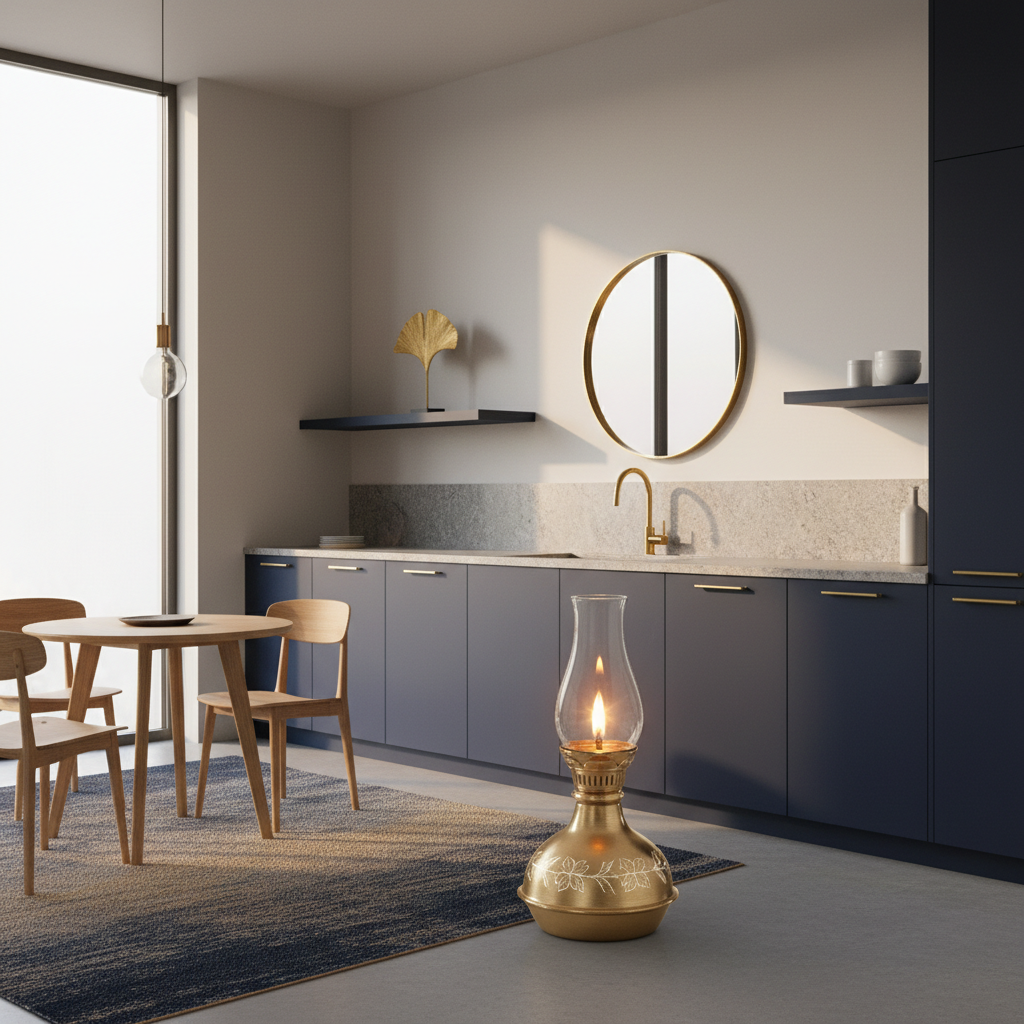
Finding the correct kitchen direction as per Vastu is one of the most critical decisions when designing a home. In Vastu Shastra, the kitchen represents the fire element (Agni), which governs health, digestion, and the financial vitality of the family. If the fire element is placed in a zone that conflicts with it, such as a water-dominant zone, it can lead to health issues or recurring financial losses. Understanding which directions foster growth and which ones invite negativity is the first step toward a balanced home.
The Ideal Kitchen Direction as per Vastu: The Power of Southeast
The Southeast (Agneya) is universally considered the best kitchen direction as per Vastu. This direction is ruled by Lord Agni, the deity of fire. Placing your stove here ensures that the fire element remains in its natural habitat, promoting physical vigor and prosperity for the inhabitants. If the Southeast is unavailable, the Northwest (Vayu) is the secondary recommendation, as the air element here supports the fire without extinguishing it.
- Primary Choice: Southeast - Best for health and wealth.
- Secondary Choice: Northwest - Good for neutral energy and social standing.
- Placement Tip: Always ensure the cook faces East while preparing meals to invite positive solar energy.
- Sink Location: Keep the sink in the Northeast or North, as water and fire should never be placed side-by-side.
Zones to Avoid: Worst Placements for the Kitchen
Certain directions are fundamentally incompatible with fire. A kitchen in the Northeast (Ishanya) is considered a major Vastu dosha because this zone is ruled by the water element and represents the 'head' of the Vastu Purusha. A fire here can lead to mental stress and severe health complications. Similarly, the Southwest should be avoided as it is the zone of stability and ancestors; heat here can cause instability in career and family relationships.
The Tradition of the Chulha and Agni Hotra
Historically, Indian architectural traditions emphasized the 'Agni Hotra' or the sacred fire ritual. Ancient Vedic homes were built around a central courtyard, but the 'Chulha' (clay stove) was strictly localized in the Southeast. This practice is documented in the 'Mayamatam', a classic Vastu text, which explains that the morning sun rays from the East have natural disinfectant properties. By placing the kitchen in the Southeast and facing East, the cook benefits from Vitamin D and the kitchen space remains hygienic and free from dampness.
Practical Remedies for Wrong Kitchen Placement
If your kitchen is already built in a non-compliant zone, you don't always need to demolish the walls. There are symbolic and elemental remedies to balance the energy flow:
- For North/Northeast Kitchens: Use a green marble slab under the gas stove to balance the water-fire conflict.
- For Southwest Kitchens: Paint the walls in shades of yellow or beige to ground the heavy energy.
- General Fix: Place a Vastu-certified 'Zinc Helix' on the outside wall of a misplaced kitchen to neutralize negative frequencies.
- Visual Balance: Ensure the kitchen door does not face the main entrance of the house directly.
Correcting your kitchen's energy can lead to immediate improvements in the overall 'Prana' of your living space. To ensure your home is perfectly aligned with these ancient principles, use the Vastu Scanner AI app. Simply scan your kitchen area to get a detailed report on your kitchen direction as per Vastu and receive personalized remedies to harmonize your home today.