Achieving a balanced living environment is more than just interior design; it is about aligning your living space with the natural forces of the universe. Implementing Vastu for home ensures that the five elements—Earth, Water, Fire, Air, and Space—work in synchronicity to promote the well-being of the residents. Whether you are moving into a new apartment or renovating an old house, understanding the directional logic of Vastu Shastra can transform your lifestyle.
The Core Principles of Vastu for Home Layouts
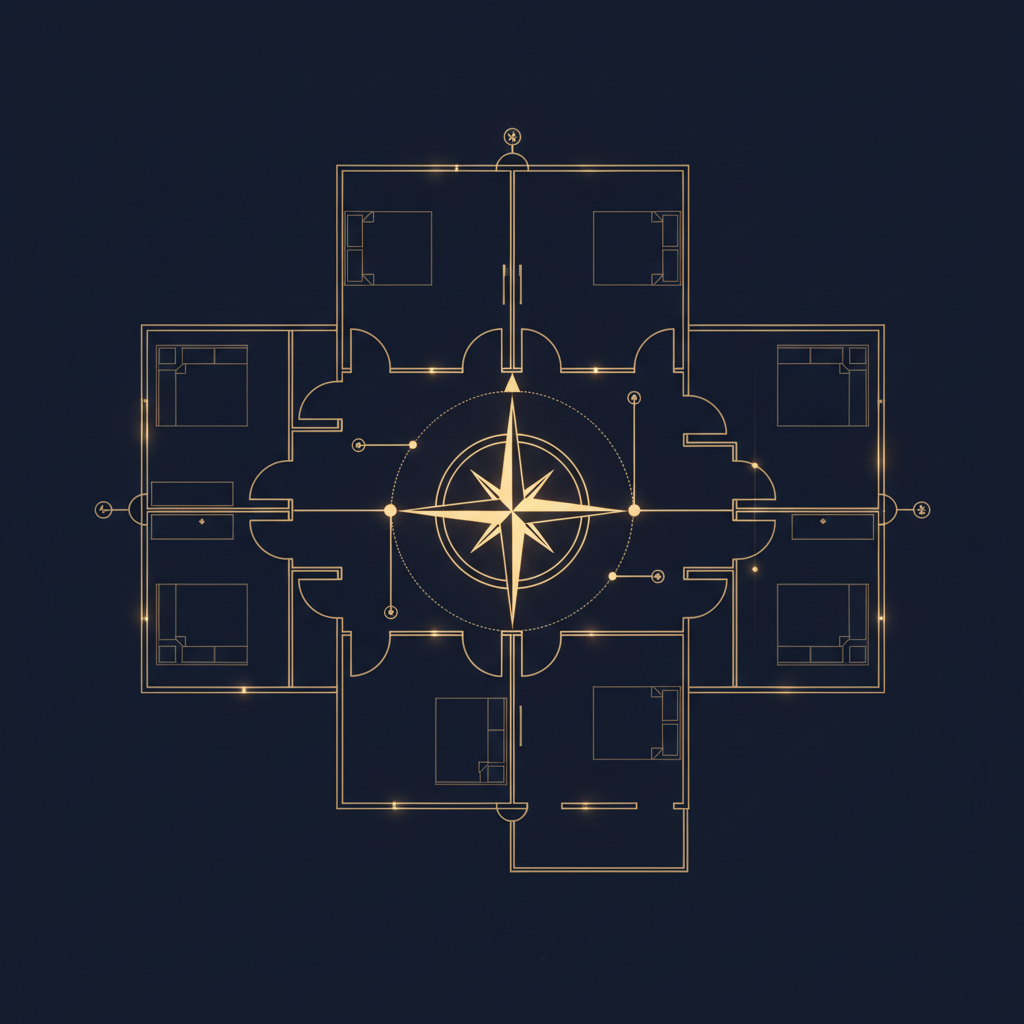
Vastu Shastra is based on the Vastu Purusha Mandala, a metaphysical square plan that dictates how energy flows through a structure. According to ancient Vedic architecture, every corner of a house is governed by a specific deity and element. For a home to be truly auspicious, the heavy structures must be balanced by light, open spaces, and the specific functions of rooms must align with their natural elemental counterparts.
Room-by-Room Directional Guide
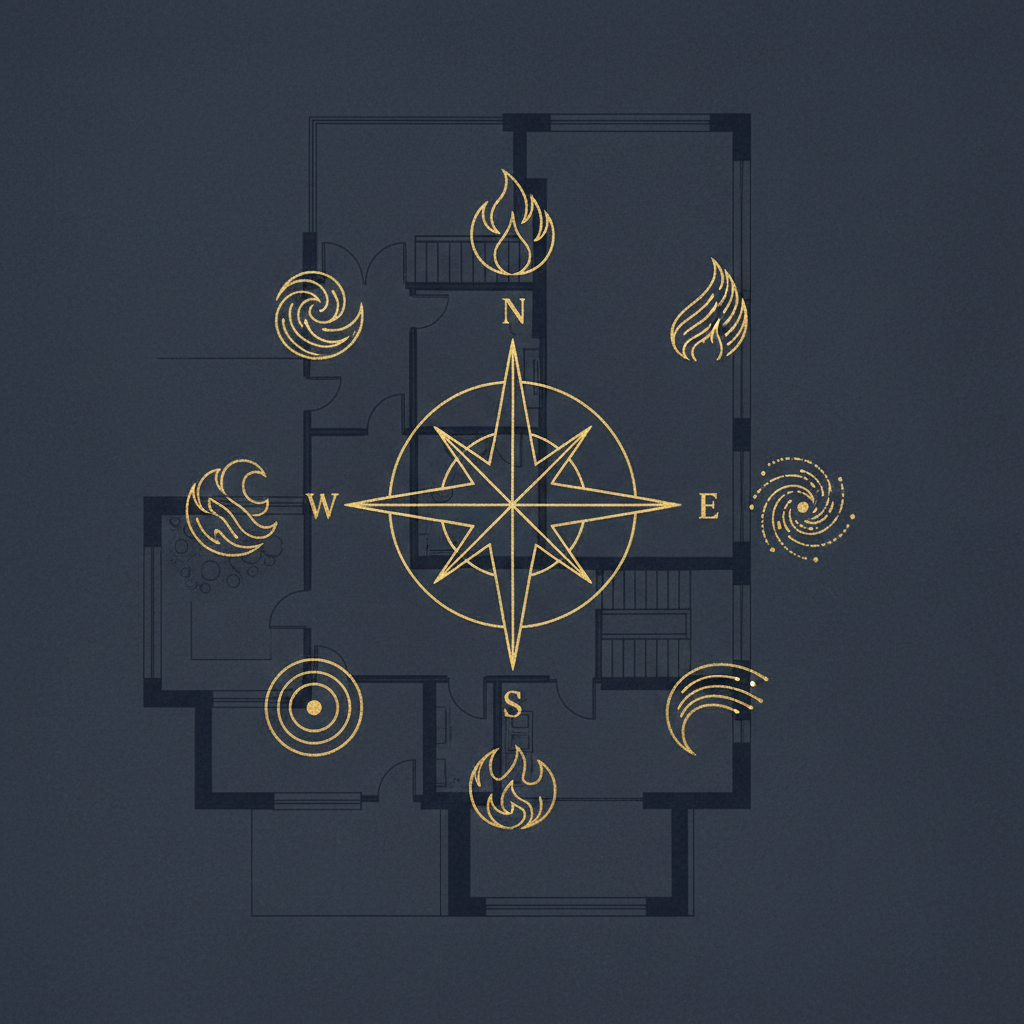
To optimize the energy in your residence, follow these traditional directional placements for the most common areas of a modern household:
- North-East (Ishanya): Ideal for meditation, prayer, or a light living area. Keep this zone clutter-free and open.
- South-East (Agneya): The quadrant of fire, making it the only suitable location for the kitchen and electrical equipment.
- South-West (Nairitya): The zone of stability and earth, reserved for the master bedroom and heavy furniture.
- North-West (Vayu): The air element zone, perfect for guest rooms, toilets, or grain storage.
- North (Kuber): The direction of wealth, best kept open with windows or used for a home office.
Historical Context: The Jaipur City Layout
The principles of Vastu for home and urban planning are best exemplified by the city of Jaipur, India. Built in 1727 by Maharaja Sawai Jai Singh II, the city was designed using a grid system based on the Vastu Purusha Mandala. The placement of the royal palace at the center (Brahmasthan) and the commercial sectors in specific quadrants has been credited by historians and architects alike for the city’s enduring prosperity and cultural resilience over centuries.
Practical Vastu Remedies for Modern Apartments
If your current home layout doesn't perfectly align with Vastu, you don't need to undergo major structural changes. You can balance the energy using these simple remedies:
- Use sea salt in the corners of rooms to absorb negative vibrations, replacing it every week.
- Place a brass pyramid in the South-West corner if that area feels unstable or lacks a solid wall.
- Hang a silver Swastik or Om symbol above the main entrance to filter the energy entering the home.
- Ensure that all doors open at a 90-degree angle without making creaking noises.
Optimizing the Vastu for home is an ongoing journey of refinement. Even small shifts in furniture or the addition of specific elements can yield significant improvements in your mental clarity and financial stability. To get a precise analysis of your current living space, download Vastu Scanner AI and receive a detailed room-by-room energy map today.