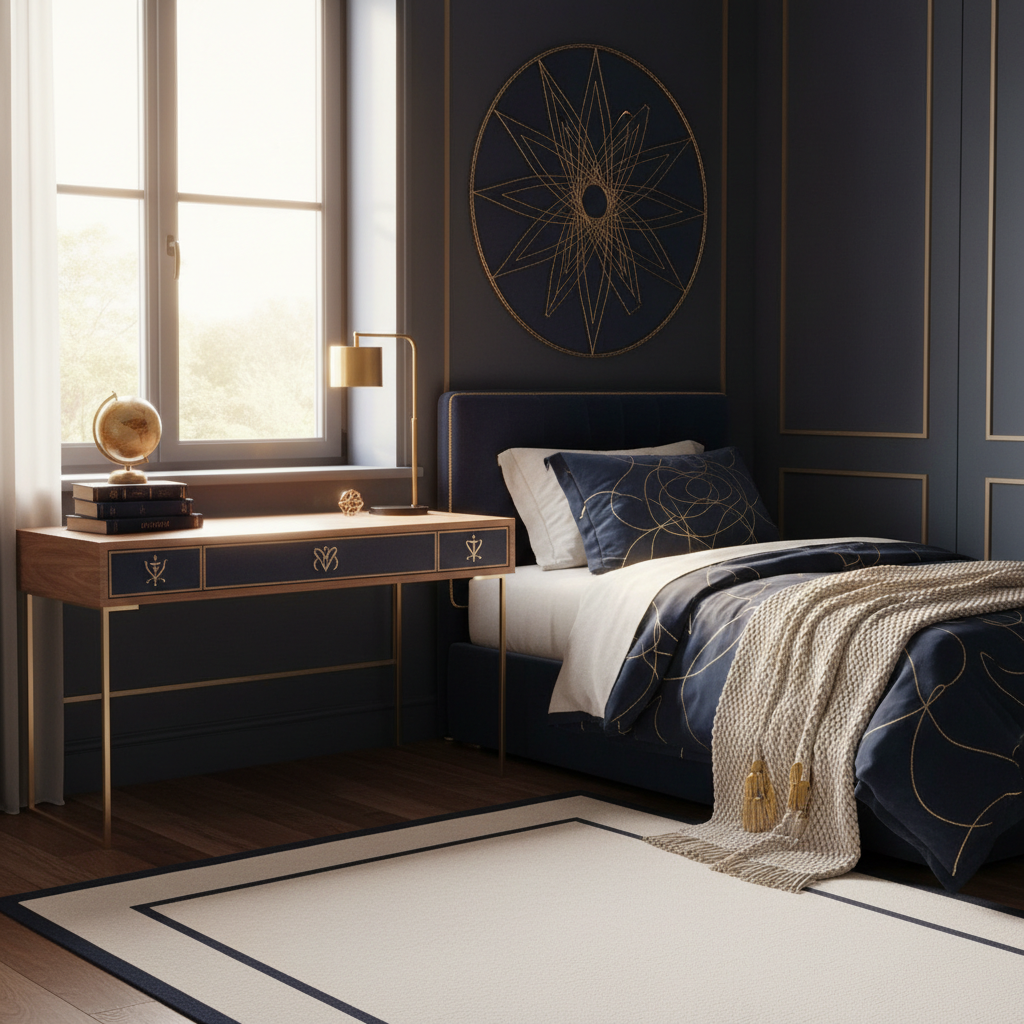
The energy of a child's bedroom significantly influences their cognitive development, academic performance, and overall well-tending. In Vastu Shastra, a child's room isn't just a place to sleep; it is a sanctuary where the 'Marma' points of creativity and discipline must be nurtured. By aligning the physical space with elemental forces, parents can help reduce restlessness and foster a natural curiosity in their children.
The Ideal Direction for a Child’s Room
According to traditional Vastu principles, the West is considered the most auspicious direction for a child's bedroom. This zone is associated with Varuna, the deity of water and cosmic order, which helps in maintaining a balanced temperament. Alternatively, the North-West (Vayu) is excellent for a guest room or a child's room, as it promotes movement and fresh ideas.
- Avoid placing a child's room in the South-West, as this zone is reserved for the head of the family and carries heavy 'Prithvi' (earth) energy.
- The North-East is ideal for a study area within the room, but the bed should not be placed directly in the center of the room (the Brahmasthan).
Study Desk Placement and Focus
To enhance concentration, the study desk should be positioned so that the child faces East or North while studying. These directions are associated with the rising sun and the magnetic pole, respectively, which are believed to enhance memory and clarity of thought. The desk should not be cluttered, and there should be a slight gap between the desk and the wall to allow for the flow of ideas.
Lessons from the Gurukul Tradition
Historically, the ancient Indian 'Gurukul' system of education strictly followed spatial orientation. Students were taught in open areas or rooms where they faced the East. This was not merely religious; it was a practical application of Solar energy to ensure students remained alert during the early morning hours of Vedic chanting and logic lessons. Modern Vastu mirrors this by prioritizing the 'Ishanya' (North-East) corner for any intellectual activity.
Bed Placement and Sleep Quality
For restful sleep and physical growth, the child’s head should point toward the South or East. Head to the South ensures deep sleep and aligns the body with the earth's magnetic field, whereas head to the East is beneficial for students seeking knowledge. Avoid placing the bed directly opposite the door or under a heavy structural beam, as this can cause 'Shala' (stagnant energy) resulting in headaches or anxiety.
Vastu Colors for Creativity and Calm
The color palette of a child's room should be soothing yet stimulating. Deep reds or harsh blacks should be avoided as they can trigger aggression or melancholy. Consider these Vastu-approved shades:
- Light Green: Associated with Mercury, it aids in intelligence and communication.
- Yellow: Symbolizes knowledge and optimism, perfect for the study corner.
- Light Blue: Calms the mind and reduces hyperactivity before bedtime.
- Lavender: Promotes a peaceful atmosphere and helps in emotional regulation.
Creating a harmonious environment for your child is a continuous process of observation and adjustment. Small changes in desk orientation or bed placement can lead to visible improvements in their mood and schoolwork. To ensure every corner of your child's room is vibrating with positive energy, use the Vastu Scanner AI app to get an instant, accurate analysis of your home's layout.