Balconies and verandas act as the lungs of a home. They are the transitional spaces where the external environment meets your personal inner sanctuary. In Vastu Shastra, these open spaces are critical because they dictate the quantity and quality of Prana (life force) that enters your living area. If a balcony is poorly positioned, it can lead to stagnant energy or the 'leaking' of family prosperity.
The Best Directions for Balconies
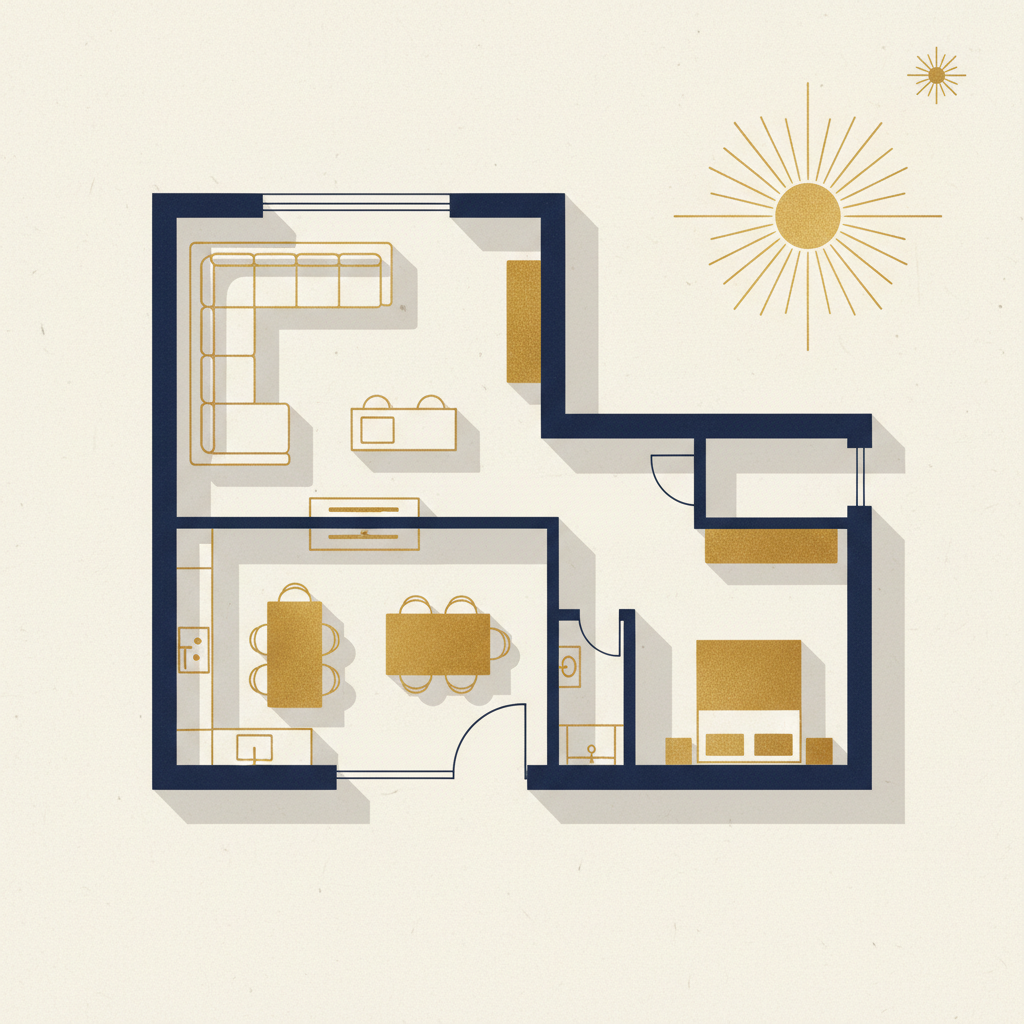
According to traditional Vastu principles, the North and East are the most auspicious directions for a balcony. These directions allow the morning sunlight—rich in Vitamin D and positive thermal energy—to penetrate the home. A balcony in the North-East is particularly praised as it is the 'Ishanya' corner, representing the water element and spiritual growth.
- North: Attracts wealth and career opportunities.
- East: Promotes health and social recognition.
- North-East: The most spiritual and pure location for open space.
- South or West: Generally discouraged as they can attract harsh afternoon heat and negative energy if not properly shielded.
Practical Remedies for South-West Balconies
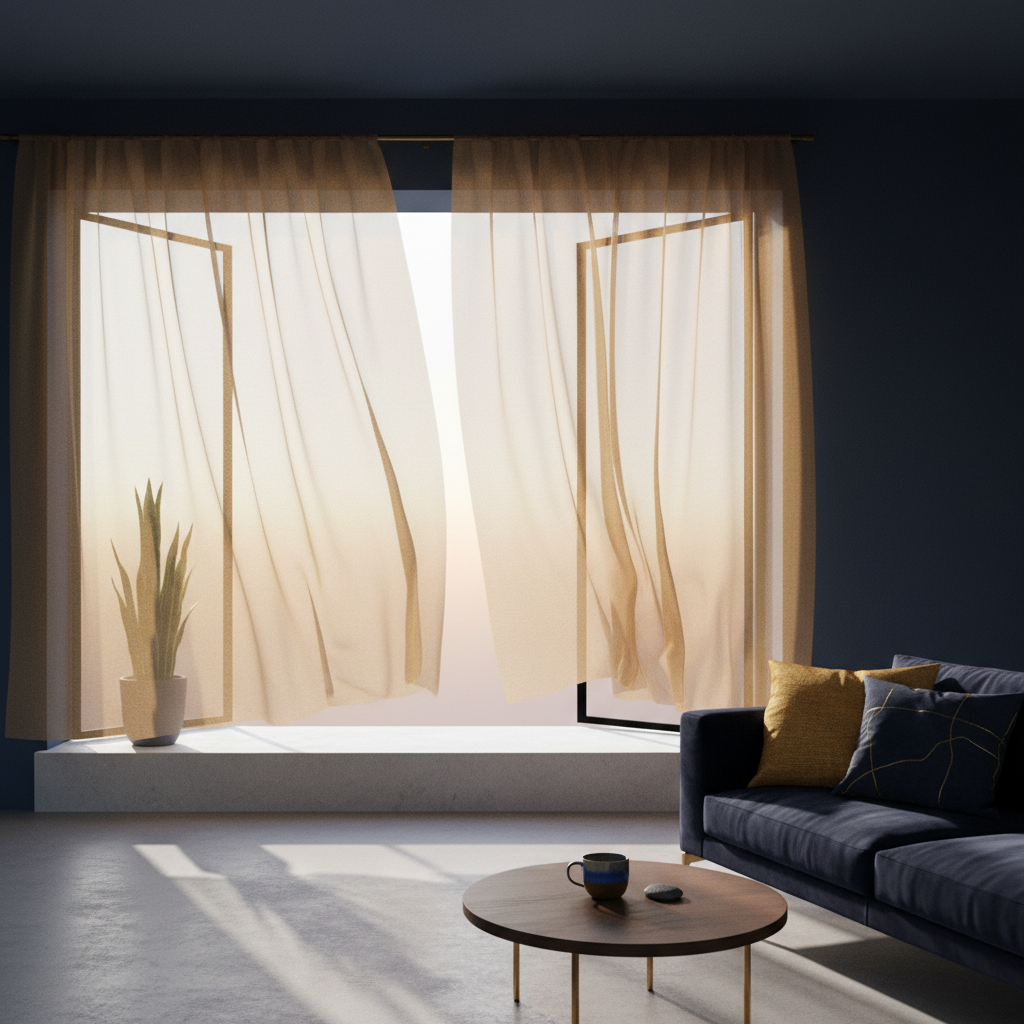
If your apartment already has a balcony in the South or South-West, don't worry. You can balance the energy using physical weight and light management. The South-West is governed by the Earth element, which thrives on stability and heaviness. To fix a Vastu defect here, avoid light, fluttering curtains and instead focus on grounding the space.
- Use heavy clay or stone planters to add weight to the area.
- Install darker blinds or thick curtains to block the intense infrared rays of the late afternoon sun.
- Keep the floor level slightly higher than the interior floor if possible.
- Place a 'Yellow Jasper' stone or lead Ganesha to stabilize the heavy Earth energy.
Ancient Tradition: The Sacred Tulsi and Verandas
A real-world application of Vastu in traditional Indian architecture is the 'Tulsi Vrindavan' found in the central courtyards or front verandas. Historically, the Holy Basil (Tulsi) was placed to filter the air before it entered the rooms. This practice aligns with the Vastu principle that air should be purified by natural elements before reaching the occupants, a concept still used today by placing air-purifying plants on modern apartment balconies.
Plant Placement and Decor Rules
When decorating your balcony, the height and type of plants matter. Avoid thorny plants like cacti, as they are believed to create sharp, cutting energy that leads to family friction. Instead, opt for colorful flowers or creeping vines that symbolize growth and vitality.
- Keep smaller plants in the North and East.
- Avoid placing heavy swings in the North-East; move them to the South or West.
- Ensure the balcony floor slopes towards the North or East to allow water drainage in the right direction.
- Use warm, soft lighting to create a cozy, inviting atmosphere at night.
Unlocking the potential of your balcony can dramatically improve the mood of your home. If you are unsure whether your veranda meets Vastu standards, use the Vastu Scanner AI app. Simply stand in the center of your room and let our AI analyze your layout to provide personalized, instant corrections.