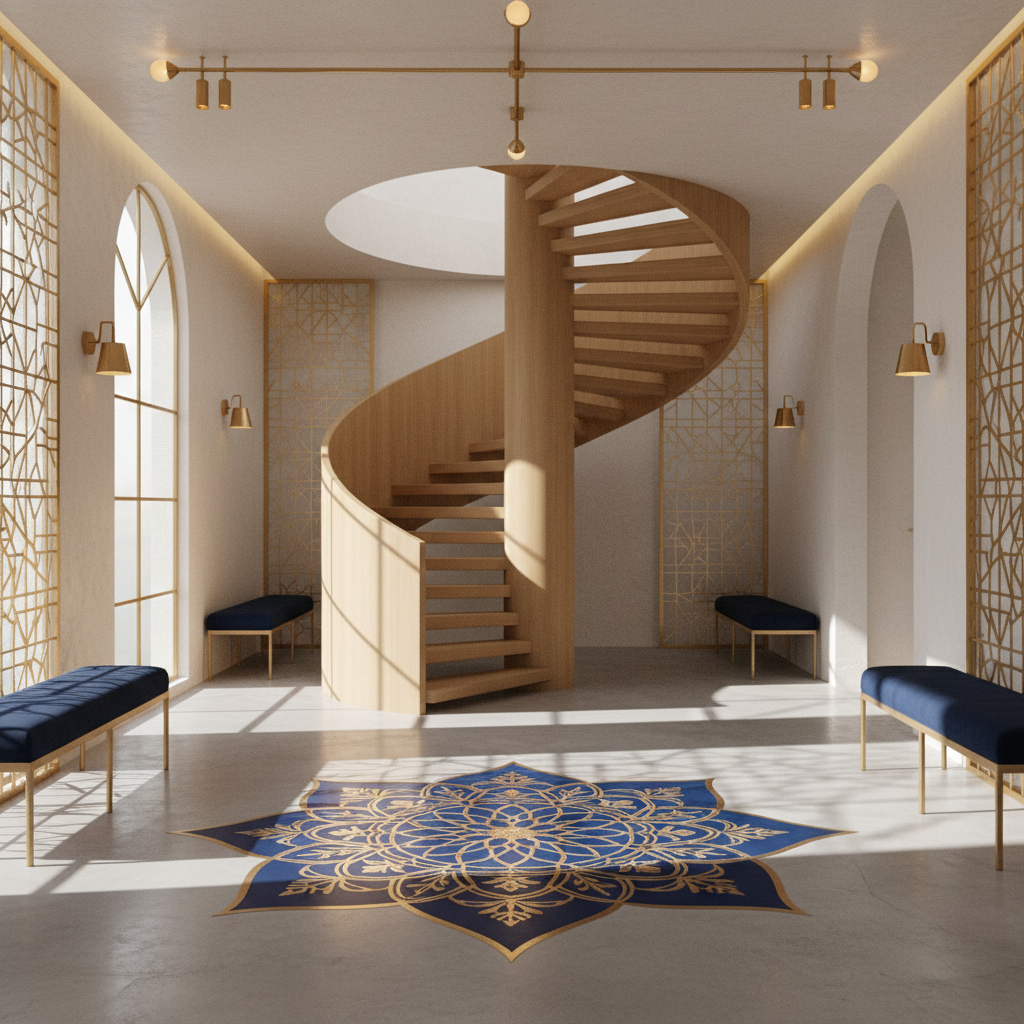
In Vastu Shastra, a staircase is not merely a structural element for vertical movement; it represents the flow of energy between different planes of existence. Because stairs are heavy structures, their placement significantly impacts the 'Vastu Purusha' or the energetic blueprint of your home. An incorrectly placed staircase can lead to stagnant energy, health issues, or financial burdens, while a correctly positioned one ensures a steady rise in prosperity.
The Best Directions for Staircase Placement
According to ancient texts, the South and West zones are the most auspicious for staircases. These directions are associated with stability and heaviness, making them ideal for supporting the weight of a stone or wooden stairwell. Specifically:
- South-West: Considered the most beneficial position for a staircase, as it anchors the home's energy.
- South: Promotes fame and recognition for the residents.
- West: Supports financial gains and professional growth.
- Avoid North-East: Never place a staircase in the Ishanya (North-East) corner, as this area must remain light and open for spiritual energy flow.
Clockwise vs. Counter-Clockwise Movement
Vastu emphasizes the direction of the turn. It is highly recommended that a staircase turns in a clockwise direction as you go up. This aligns with the natural movement of the Earth's magnetic field and the movement of the sun. Counter-clockwise stairs are believed to create 'Vamavarti' energy, which can cause confusion or delays in completing important life tasks.
Historical Precedent: The Indian Stepwell Tradition
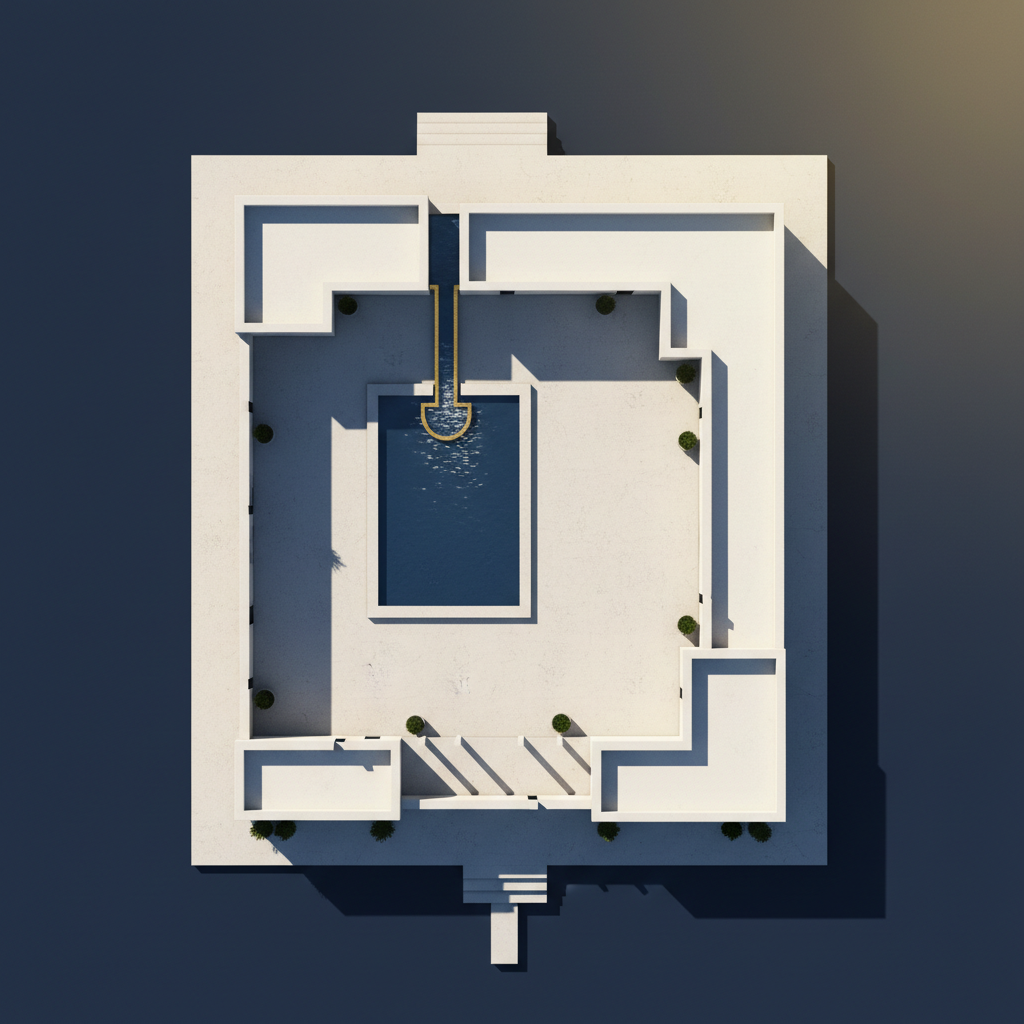
The importance of stair layout is visible in historical Indian architecture, such as the famous Chand Baori in Rajasthan. These ancient stepwells were designed with geometric precision that respected natural orientation. Traditional Vastu principles used in these structures ensured that the weight of the masonry was distributed to maintain the structural and spiritual integrity of the land, avoiding the central 'Brahmasthan' to keep the core energy of the site unobstructed.
Key Design Rules and Prohibitions
Beyond direction, the physical attributes of the stairs play a role in domestic harmony. To keep the energy 'Sattvic' (pure) and balanced, consider these rules:
- Odd Number of Steps: Always aim for an odd number of steps (e.g., 15, 17, 19, or 21). This ensures that you start and end the climb with your right foot, symbolizing a positive beginning and conclusion.
- No Storage Underneath: Avoid building a kitchen, bathroom, or pooja room under a staircase. This space should only be used for general storage of non-essential items.
- Hidden from Direct View: Ideally, the staircase should not be visible to guests the moment they enter through the main door.
Simple Remedies for Staircase Vastu Dosha
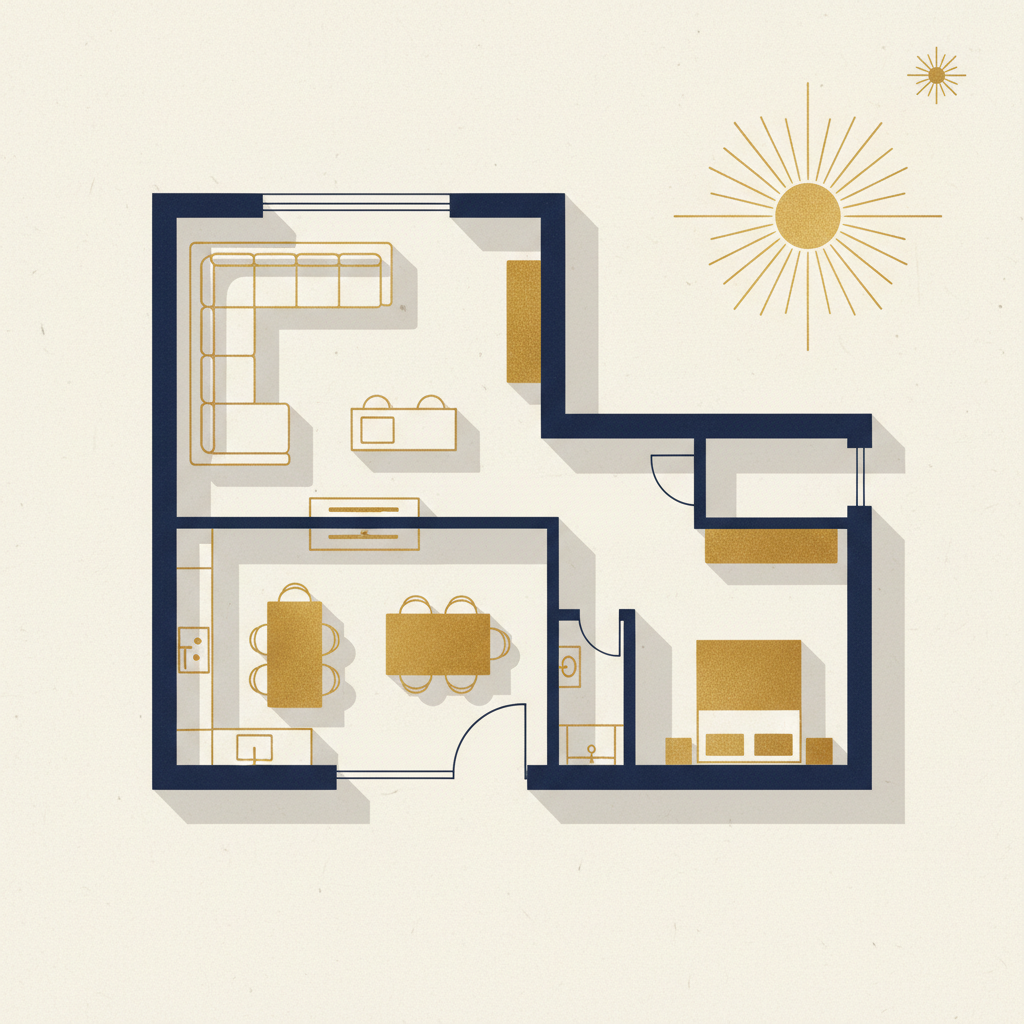
If your staircase is already built in a non-compliant zone like the North-East, you don't always need to resort to demolition. You can place a copper 'Vastu Helix' on the wall to neutralize negative vibrations. Additionally, hanging a pair of auspicious symbols or keeping the area exceptionally well-lit with warm yellow lights can help uplift the energy. For personalized guidance on your specific layout, use the Vastu Scanner AI app to analyze your floor plan and receive professional-grade remedies instantly.