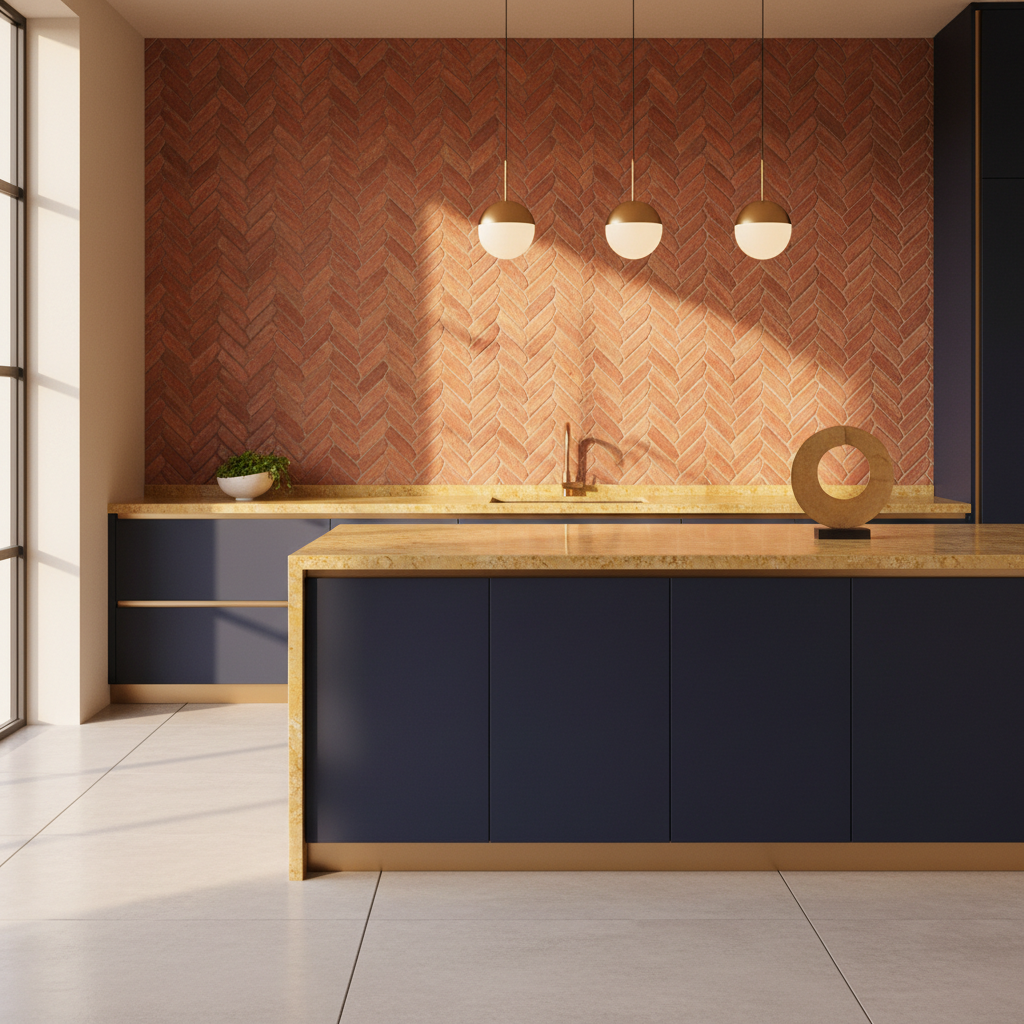
The kitchen is the heart of the home where the element of Fire (Agni) prevails. While the direction of the stove is crucial, the surface upon which you prepare meals significantly influences the energy of the food. Many homeowners often wonder which colour is best for kitchen slab according to vastu to ensure health and prosperity for the family. Choosing the wrong shade can lead to financial drain or health issues, while the right hue balances the five elements (Panchamahabhutas).
Top Vastu Recommended Colours for Kitchen Countertops
Vastu Shastra suggests that the slab color should complement the specific zone of the kitchen. However, as a general rule, warm and earthy tones are most effective at stimulating the digestive fire and maintaining a positive vibration.
- Yellow or Quartz Gold: Symbolizes happiness and stability; ideal for Southeast kitchens.
- Green or Pistachio: Representing growth and wood element; perfect for kitchens located in the East.
- Orange or Terracotta: Directly resonates with the Fire element, boosting energy and appetite.
- Cream or Off-White: A neutral, cooling shade that brings purity and peace to the cooking environment.
- Brown: Provides grounding energy and represents the Earth element, creating a stable atmosphere.
Why Certain Slab Colours Should Be Avoided
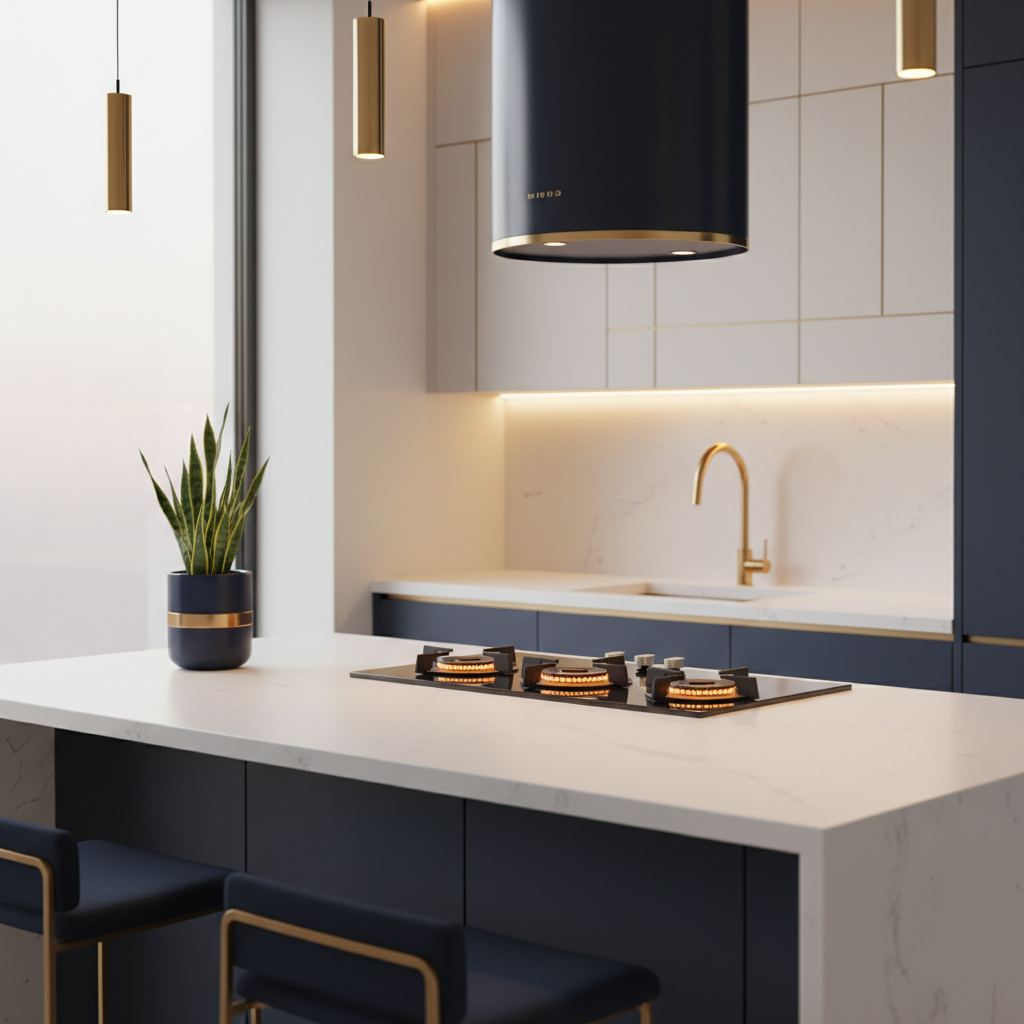
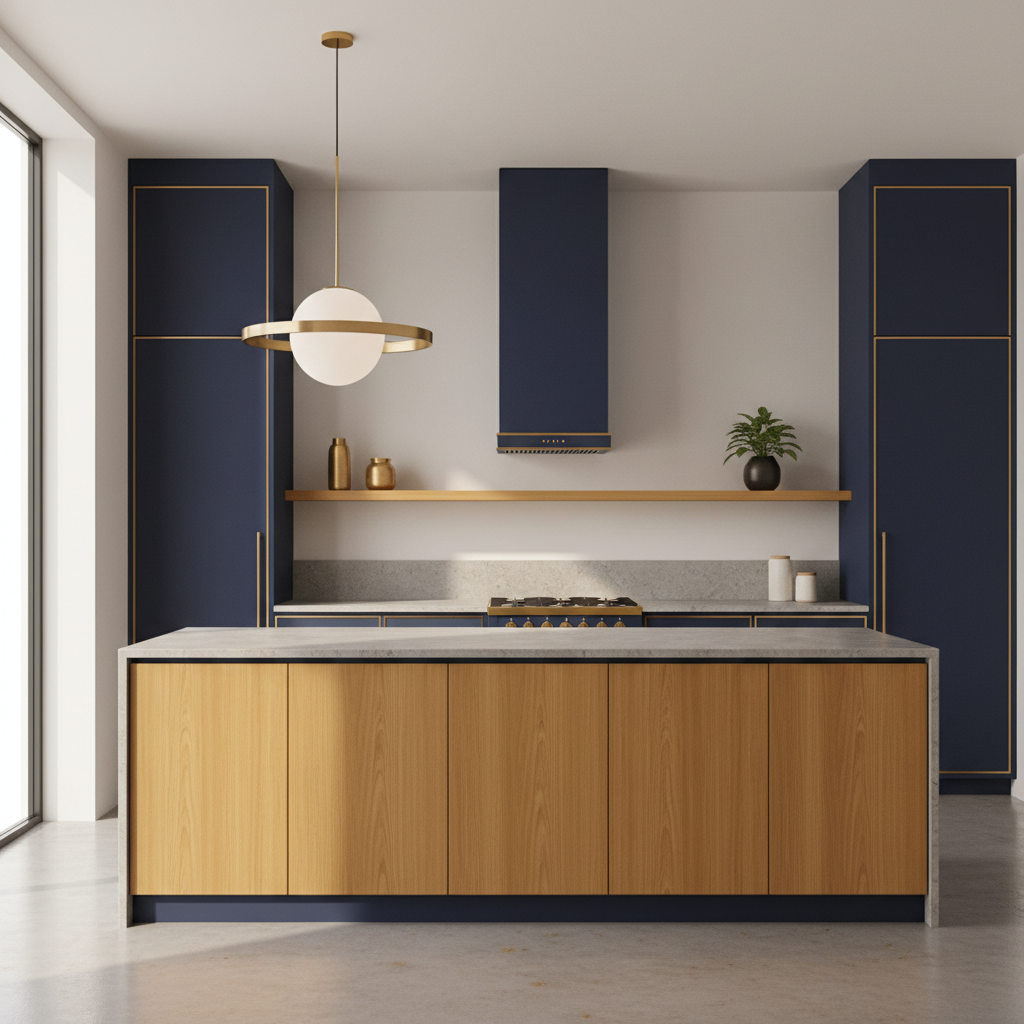
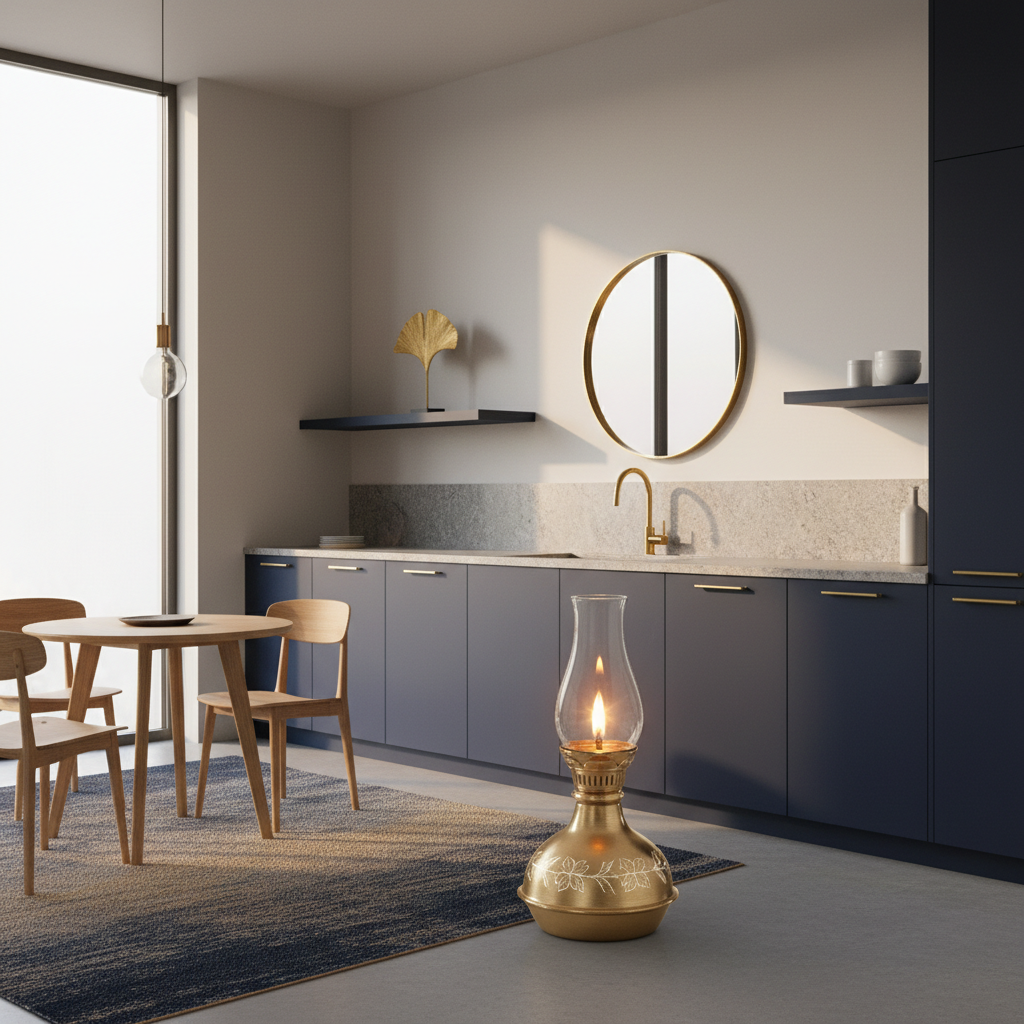
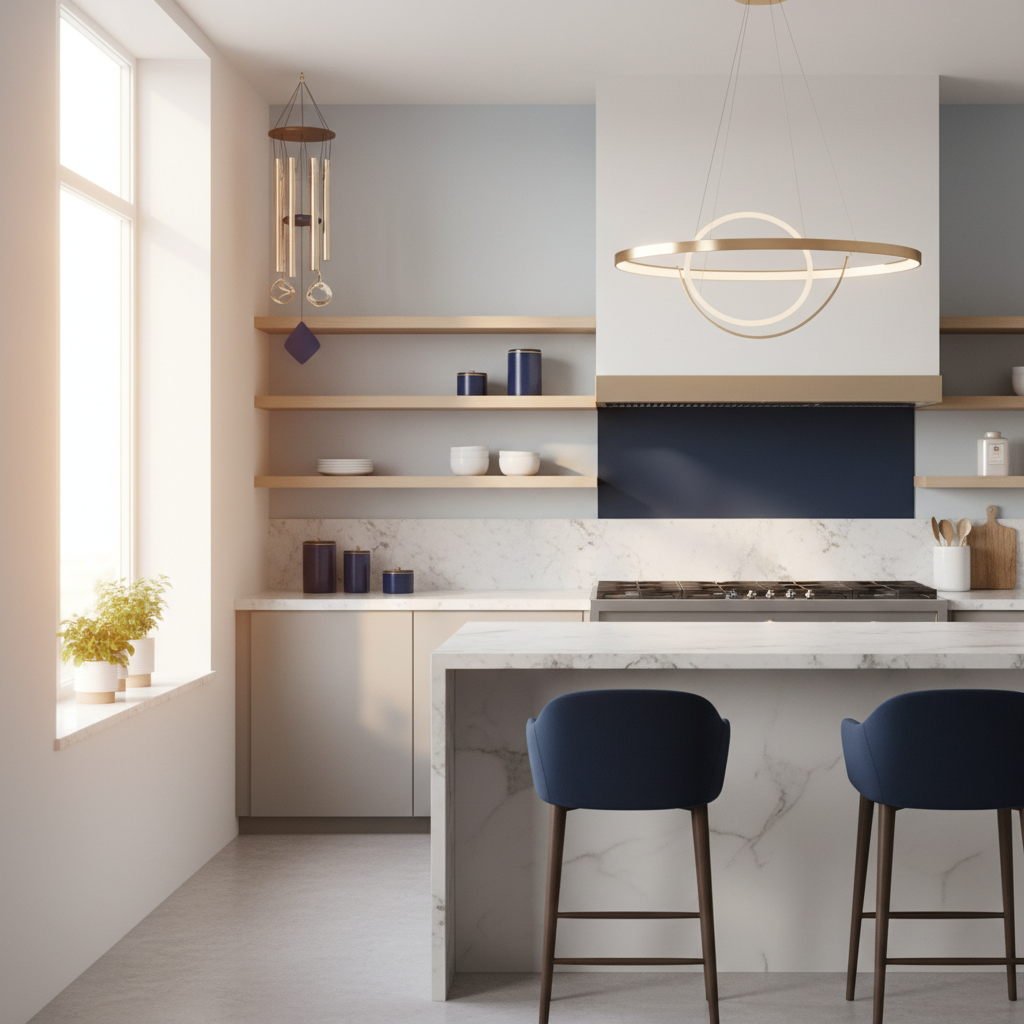
Understanding which colour is best for kitchen slab according to vastu also involves knowing what to avoid. In Vastu principles, black and dark blue are strictly discouraged for kitchen slabs. Black is associated with Saturn (Shani) and represents the Water element, which creates a destructive cycle when paired with the Fire of the stove. Similarly, dark blue can dampen the digestive fire and lead to lethargy or recurring health problems for the primary cook.
Traditional Principles: The Role of Natural Stone
Historically, Indian architecture prioritized natural materials like soapstone or clay-based tiles for cooking surfaces. In modern Vastu, natural granite and marble are preferred because they are 'Jivit' (living) materials that hold energy. For instance, the use of yellow Jaisalmer stone in traditional Rajasthan homes is a classic example of using Earth-colored slabs to balance the intense heat of the desert, ensuring a harmonious domestic life.
Material Selection: Granite vs. Marble
While colour is vital, the material texture also plays a role in Vastu. Granite is generally preferred over marble for the kitchen slab because it is less porous and more durable, representing strength. If using marble, ensure it is not pure white in the Southeast corner, as white represents the Metal element which can weaken the Fire zone.
Practical Vastu Remedies for Existing Slabs
If your current kitchen has a black or dark-colored slab that you cannot replace, you can still apply Vastu remedies to mitigate negative effects. These practical steps help neutralize the Fire-Water clash without a full renovation.
- Place a yellow marble slab or tile under the gas stove to act as a buffer.
- Use green or wooden cutting boards to introduce the Wood element, which bridges Fire and Water.
- Keep a small bowl of sea salt in the corner of the kitchen to absorb negative vibrations.
- Ensure the lighting in the kitchen is bright and warm to counteract a dark countertop.
Optimizing your kitchen slab color is just one step toward a harmonious home. To ensure your entire kitchen layout—from the sink to the storage—is perfectly aligned with cosmic energies, use the Vastu Scanner AI app today for an instant, detailed audit of your home.