Bringing nature indoors is more than just a home decor trend; it is a powerful way to balance the five elements of Earth, Water, Fire, Air, and Space. However, not every green addition is beneficial. If you are wondering which plants are good for home according to Vastu, you must look beyond aesthetics to understand how specific flora affects the vibrational frequency of your living space. The right plants can attract prosperity, while the wrong ones may lead to stagnation or health issues.
Top Recommended Vastu Plants for Prosperity
Certain plants are considered highly auspicious in Vedic traditions due to their oxygen-producing capabilities and symbolic connection to specific deities. Here are the most effective options for your home:
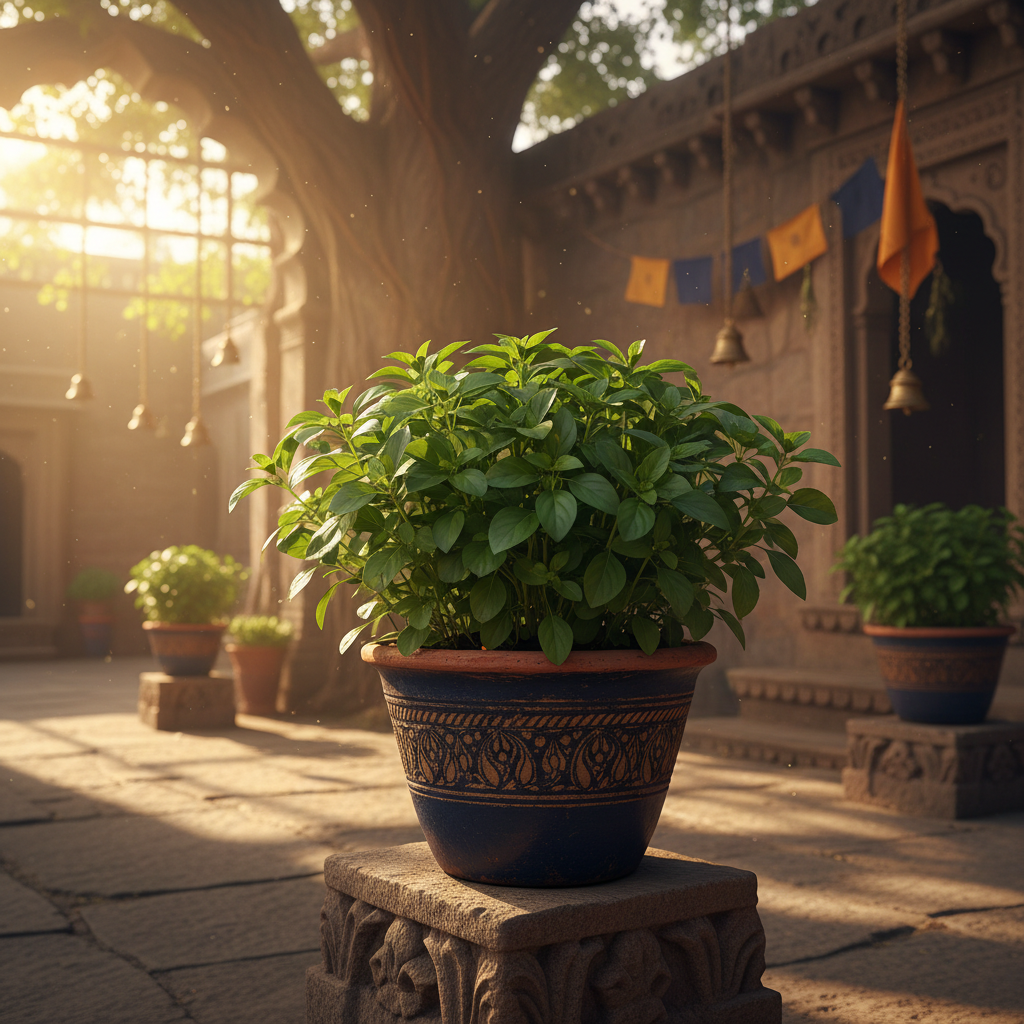
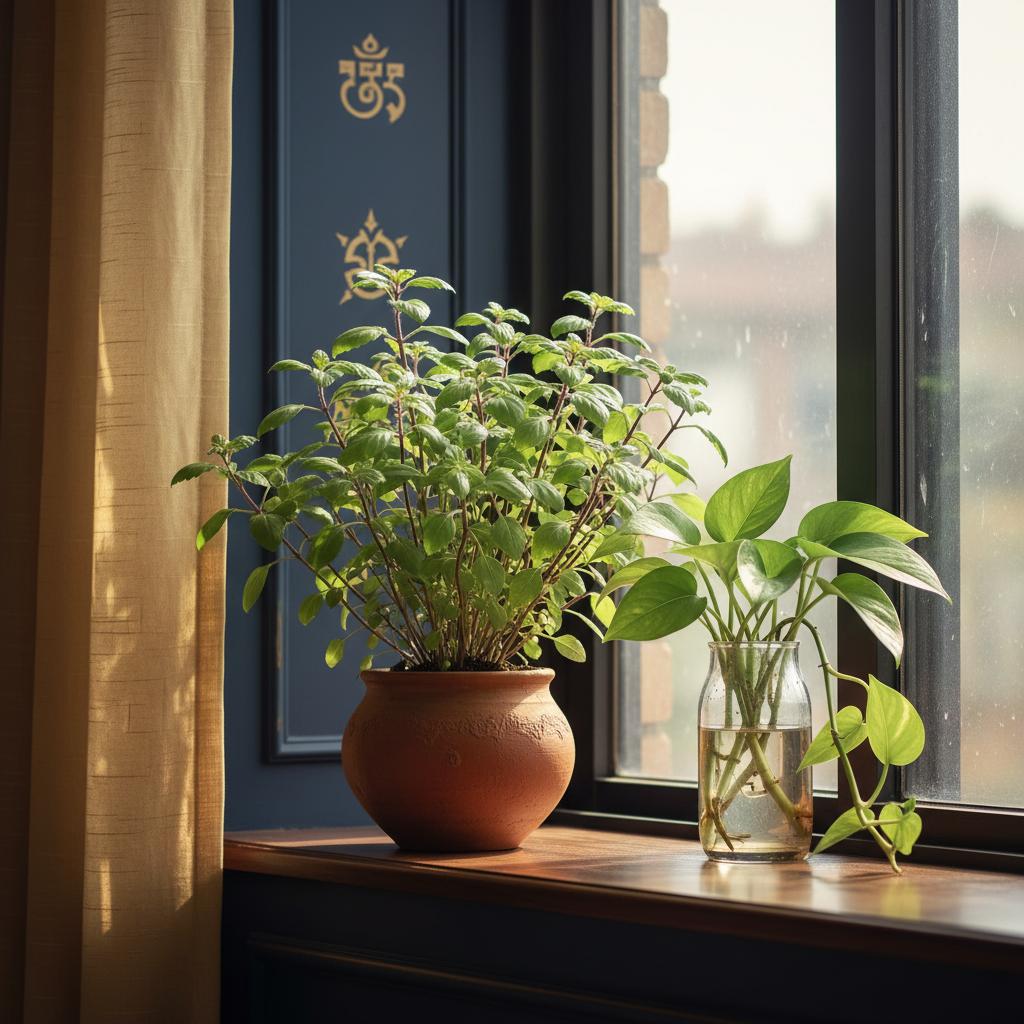
- Tulsi (Holy Basil): The most sacred plant in Vastu. It acts as a natural air purifier and brings spiritual harmony. Place it in the North, East, or Northeast.
- Money Plant (Epipremnum aureum): Known for attracting wealth and financial stability. It should ideally be placed in the Southeast corner of the living room.
- Jade Plant: A symbol of good luck and friendship. Its thick leaves represent wealth and are best kept near the entrance to welcome prosperity.
- Snake Plant: Great for the bedroom, it improves oxygen flow and removes toxins, promoting a restful sleep environment.
Understanding Placements: Which Plants are Good for Home According to Vastu
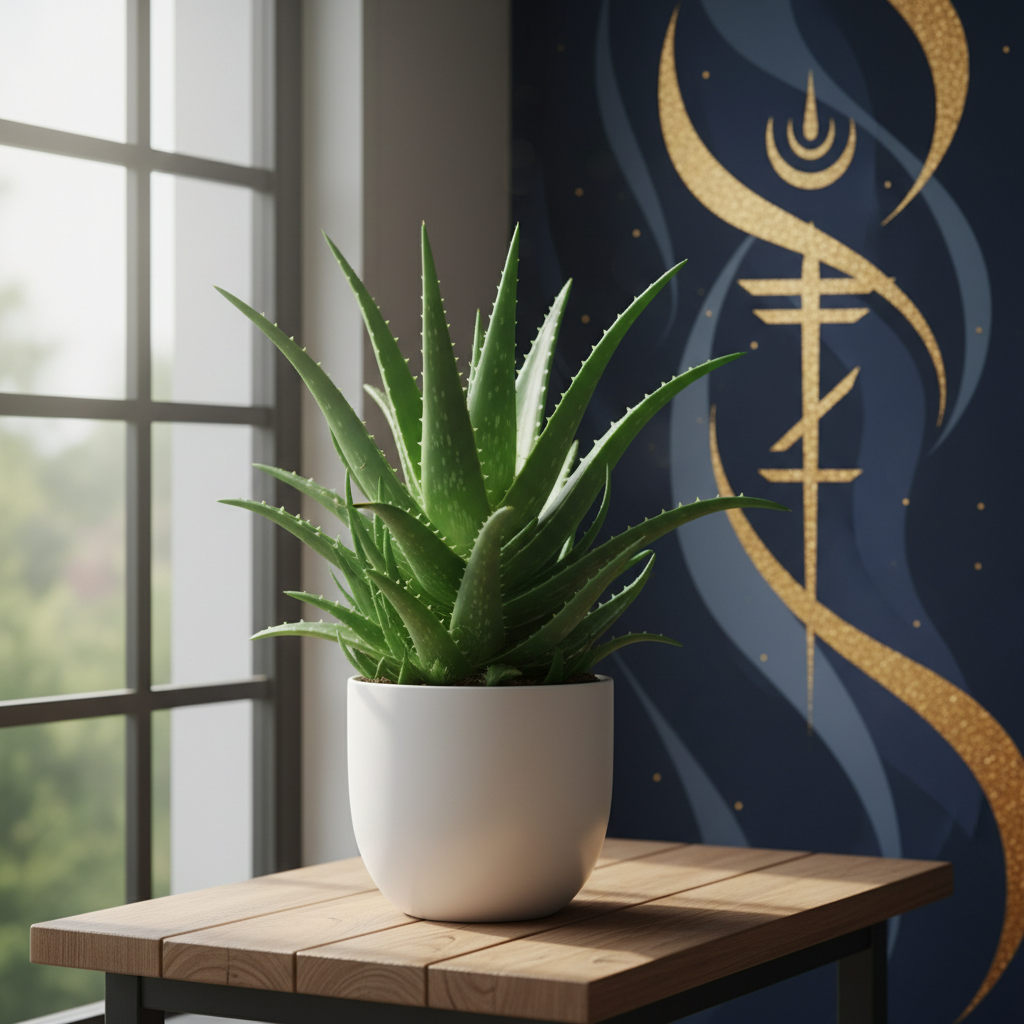
Placement is just as important as the type of plant you choose. Vastu Shastra dictates that different directions govern different aspects of life. For instance, heavy and tall trees should always be planted in the South or West directions to provide stability and protection from harsh afternoon sunlight. Conversely, small shrubs and medicinal plants like Aloe Vera are best suited for the North or East zones to allow positive morning energy to enter the house freely.
The Legend of the Parijat Tree
In Indian tradition, the Parijat (Night-flowering Jasmine) is often cited as one of the most powerful plants for a home garden. According to ancient scriptures, this tree was brought from heaven to earth. It is believed that the fragrance of Parijat flowers alleviates mental stress and brings peace to the household. Vastu experts suggest planting it near the temple area or in the North-East of the plot to enhance the spiritual aura of the premises.
Plants to Avoid According to Vastu
While most greenery is positive, Vastu warns against plants that carry 'negative' energy or represent hardship. To maintain a peaceful environment, avoid the following:
- Cactus and Thorny Plants: These are said to create friction in relationships and attract sharp, negative energy (except for Roses).
- Bonsai: Though beautiful, they represent stunted growth and should not be kept inside the main living areas.
- Milky Sap Plants: Plants that produce a white, sticky sap when cut are believed to affect the health of residents negatively.
- Dried or Withered Plants: Always remove dead leaves or dying plants immediately, as they signify decay and attract 'Sha Chi' (dull energy).
Selecting the right greenery is the first step toward a balanced home. By choosing plants that align with Vastu principles, you create a sanctuary that nurtures both your physical health and your financial well-being. To ensure your current indoor garden is perfectly aligned with your home's unique energy map, use the Vastu Scanner AI app to scan your rooms and receive instant, personalized placement advice.