The Holy Basil, or Tulsi, is more than just a medicinal herb in Indian households; it is a powerful spiritual tool that balances the energy of a living space. Many homeowners often wonder which Tulsi is best for home as per Vastu to ensure they are attracting maximum positivity and health. While there are several varieties of this sacred plant, choosing the right one and placing it in the correct direction is essential for maintaining a harmonious Vastu environment.
Comparing Rama and Krishna Tulsi: Which One Should You Choose?
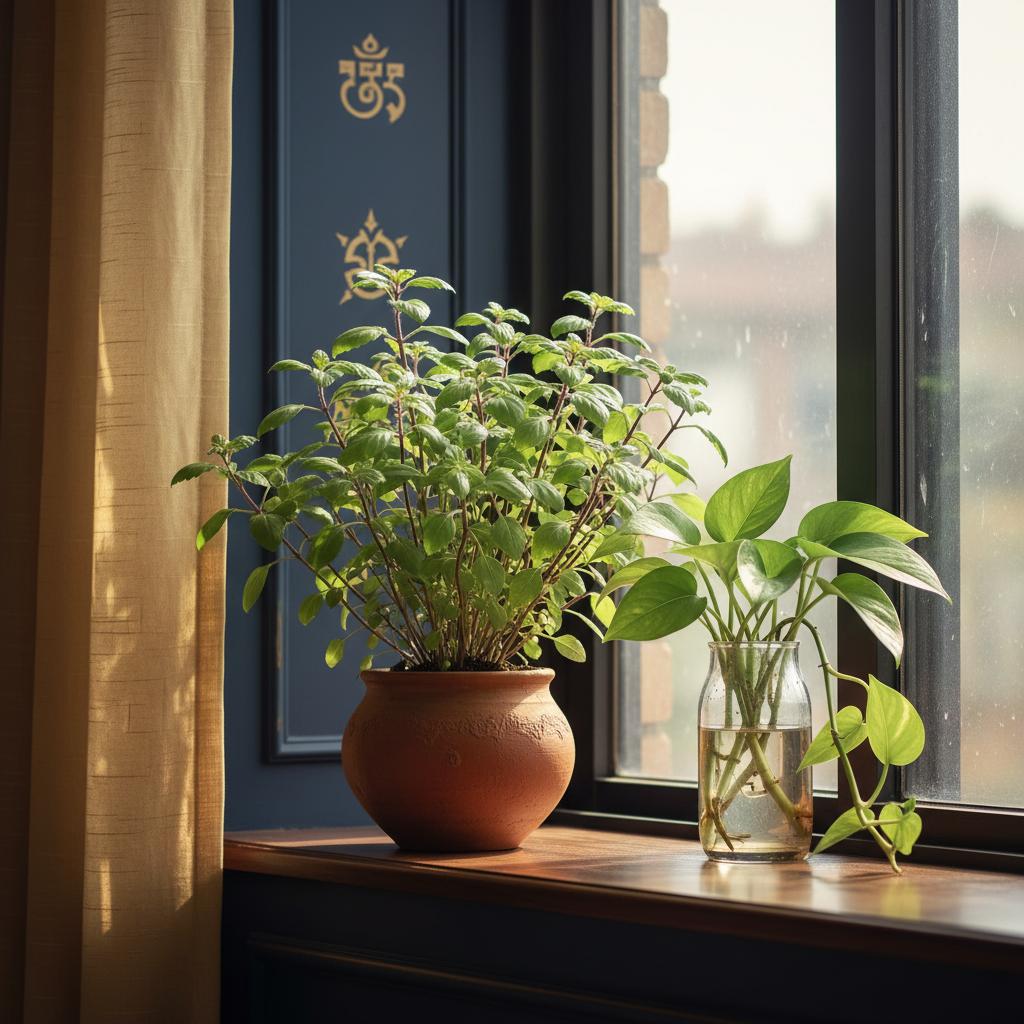
In Vastu Shastra, two primary types of Tulsi are commonly kept at home: Rama Tulsi and Krishna Tulsi. Both have distinct characteristics and energy signatures. Rama Tulsi (Bright Tulsi) features green leaves and a milder scent, while Krishna Tulsi (Shyam Tulsi) has dark purple or blackish leaves and a stronger peppery aroma.
- Rama Tulsi: Best for overall peace, cooling energy, and general well-being. Its bright green leaves represent vitality.
- Krishna Tulsi: Often used for medicinal purposes and for correcting specific Vastu defects (Doshas) due to its potent energy.
- Mixed Planting: Many Vastu experts suggest keeping both, but if you must choose one, Rama Tulsi is widely preferred for domestic harmony.
Ideal Placement and Direction for Your Tulsi Plant
When deciding which Tulsi is best for home as per Vastu, you must also consider where it will sit. The placement is just as important as the variety. A Tulsi plant placed in a wrong direction can lead to stagnant energy or minor health issues for the residents.
- North and North-East: These are the best directions for Tulsi, as they are associated with water and the planet Mercury, promoting wealth and clarity.
- East: A Tulsi in the East helps enhance social connections and provides the plant with the morning sunlight it needs to thrive.
- Avoid South and South-West: Placing Tulsi in these zones is considered inauspicious and can drain the plant's spiritual potency.
The Tradition of the Tulsi Chaura
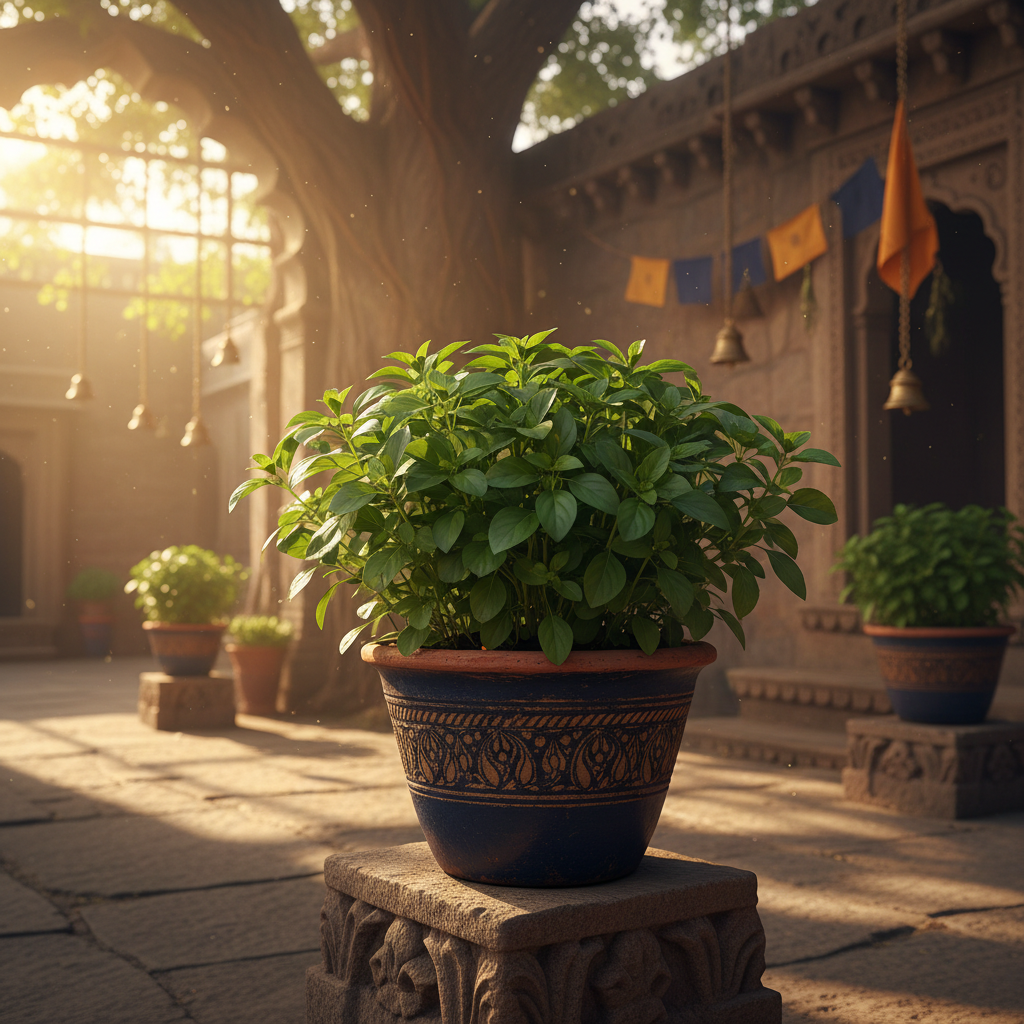
In traditional Indian architecture, the Tulsi is not just kept in a random pot but in a 'Tulsi Chaura'—a raised masonry structure. Historically, these were placed in the central courtyard (Brahmasthan) of the home. This tradition ensures that the plant remains at a height, signifying respect, and allows its oxygen-rich air to circulate through all rooms. Modern apartments can replicate this by using a decorative stand to keep the plant off the floor.
Practical Maintenance and Vastu Remedies
To keep the positive energy flowing, your Tulsi plant must remain healthy. A dried or dying Tulsi is considered a Vastu Dosha. If your plant withers, it should be immersed in a water body and replaced with a fresh one immediately. Ensure the area around the plant is clean and free from footwear or dustbins.
Choosing the right plant is the first step toward a balanced home. If you are unsure about the directions in your current layout or where to place your new Tulsi, use the Vastu Scanner AI app to get an instant, accurate reading of your home’s energy zones.