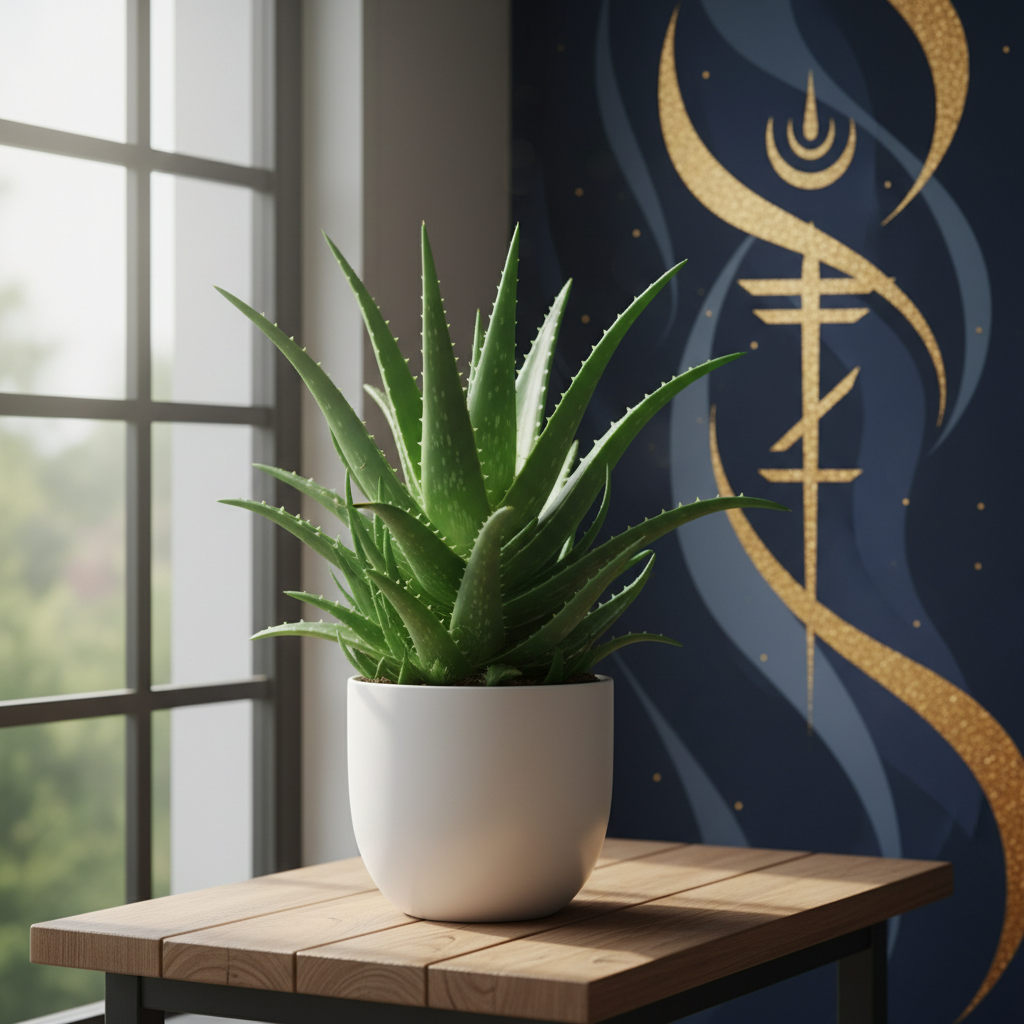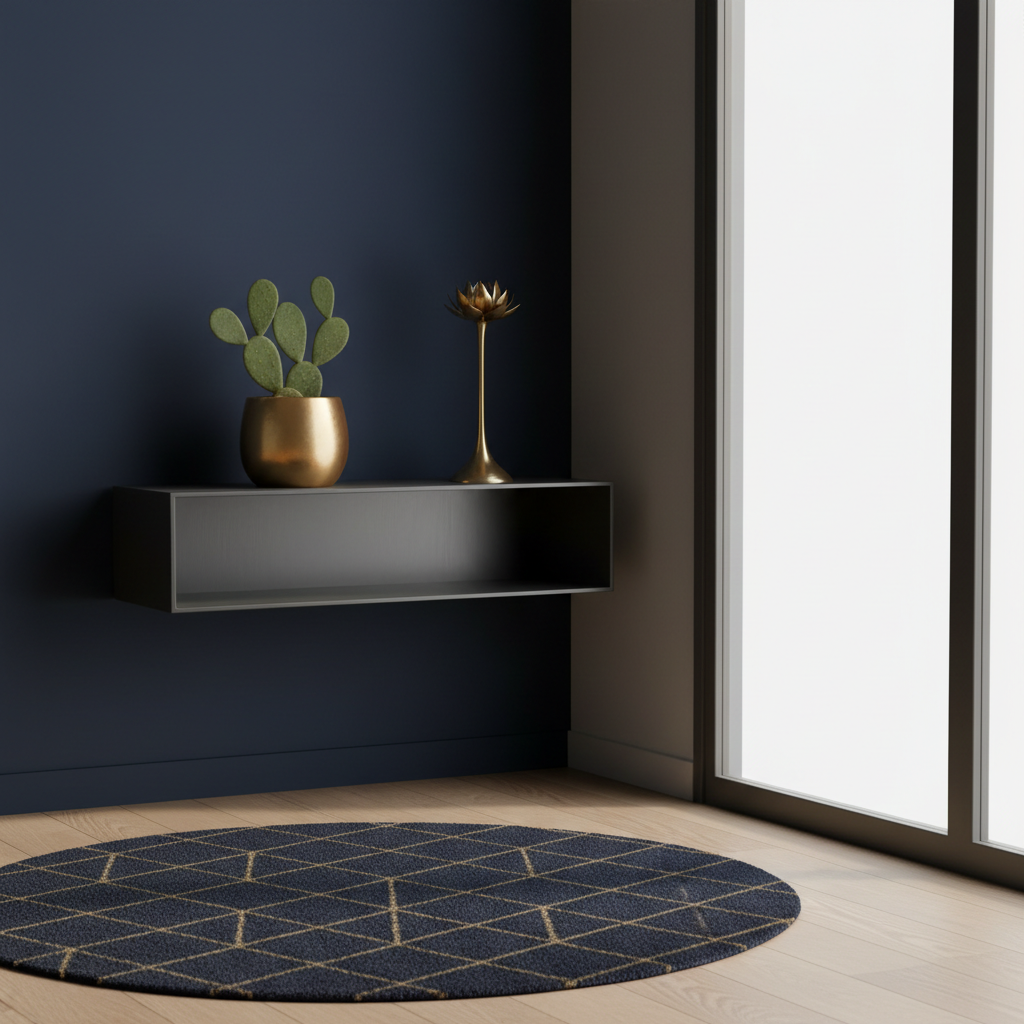
Many modern homeowners love the aesthetic appeal of succulents, but a common question arises: is cactus good for home as per Vastu? While these plants are low-maintenance and visually striking, Vastu Shastra provides specific guidelines regarding greenery that bears thorns. According to ancient principles, the physical characteristics of a plant directly influence the 'Prana' or life force within a living space. Understanding the energetic impact of a cactus is essential before placing one in your living room or bedroom.
The Vastu Shastra View on Thorny Plants
In traditional Vastu texts, plants are categorized by their nature and the secretions they produce. Thorny plants, including most species of cacti, are generally discouraged inside the main living areas of a house. The sharp needles are believed to act like tiny 'Shars' or arrows that emit piercing energy, potentially leading to friction in relationships and high stress levels among residents.
The primary concern is that these thorns represent 'Sha Chi' (piercing energy) which can disrupt the smooth flow of positive vibrations. However, Vastu is rarely about absolute prohibitions and more about correct placement and purpose. While generally avoided indoors, there are specific scenarios where they serve a protective role.
Is Cactus Good for Home as per Vastu for Protection?
Interestingly, while a cactus is considered unfavorable inside the home, it is often viewed as a protective guard when placed outside. Traditional Indian architecture sometimes utilized thorny hedges or specific plants at the boundary of a property to ward off negative influences or 'evil eye.' If you must keep a cactus, consider these placement rules:
- Avoid placing a cactus in the bedroom, as it can cause sleep disturbances and arguments.
- Do not place them in the kitchen or dining area, as it may affect the health of the family.
- The North and East zones should be kept free of cacti to allow for the entry of auspicious solar and magnetic energies.
- A cactus can be placed on a balcony or a terrace, provided it is not directly in front of the main entrance.
- If placed on a window sill, ensure it faces an empty plot or a cluttered area to 'deflect' stagnant energy away from the home.
Historical Context: The Concept of Ugra-Vriksha
The Brihat Samhita, an ancient Indian text covering various subjects including architecture, mentions 'Ugra-Vriksha' or aggressive plants. These are plants that produce milky sap or possess sharp thorns. The tradition suggests that these plants are suited for wilderness or temples dedicated to fierce deities, rather than domestic dwellings (Grihastha). This principle ensures that the home remains a 'Saumya' or gentle environment conducive to raising children and maintaining domestic peace.
Simple Vastu Remedies for Plant Lovers
If you already have a cactus collection and are worried about negative effects, you don't necessarily need to discard them. You can balance the energy by following these Vastu remedies:
- Group cacti with lush, round-leafed plants to soften their energetic impact.
- Place them in the South or West corners of your balcony to stabilize the heavy energy of those directions.
- Ensure the plants are healthy; a drying or decaying cactus attracts more negativity than a thriving one.
- Use bright, earthy-toned pots (like terracotta) to ground the plant's energy.
Ultimately, the harmony of your home depends on the balance of all elements. If you are unsure how the plants in your home are affecting your well-being, it is time for a digital check-up. Use the Vastu Scanner AI app to scan your rooms and get instant feedback on your plant placements and overall Vastu compliance.