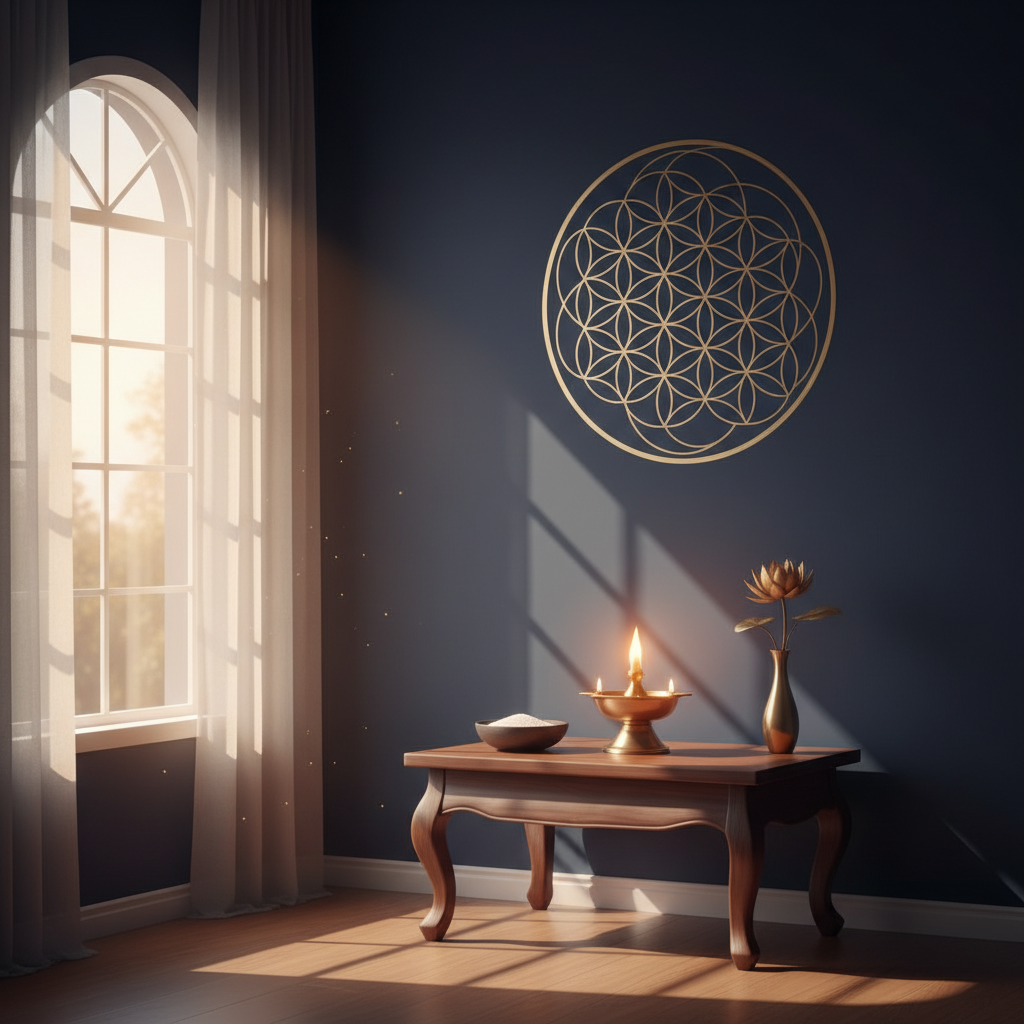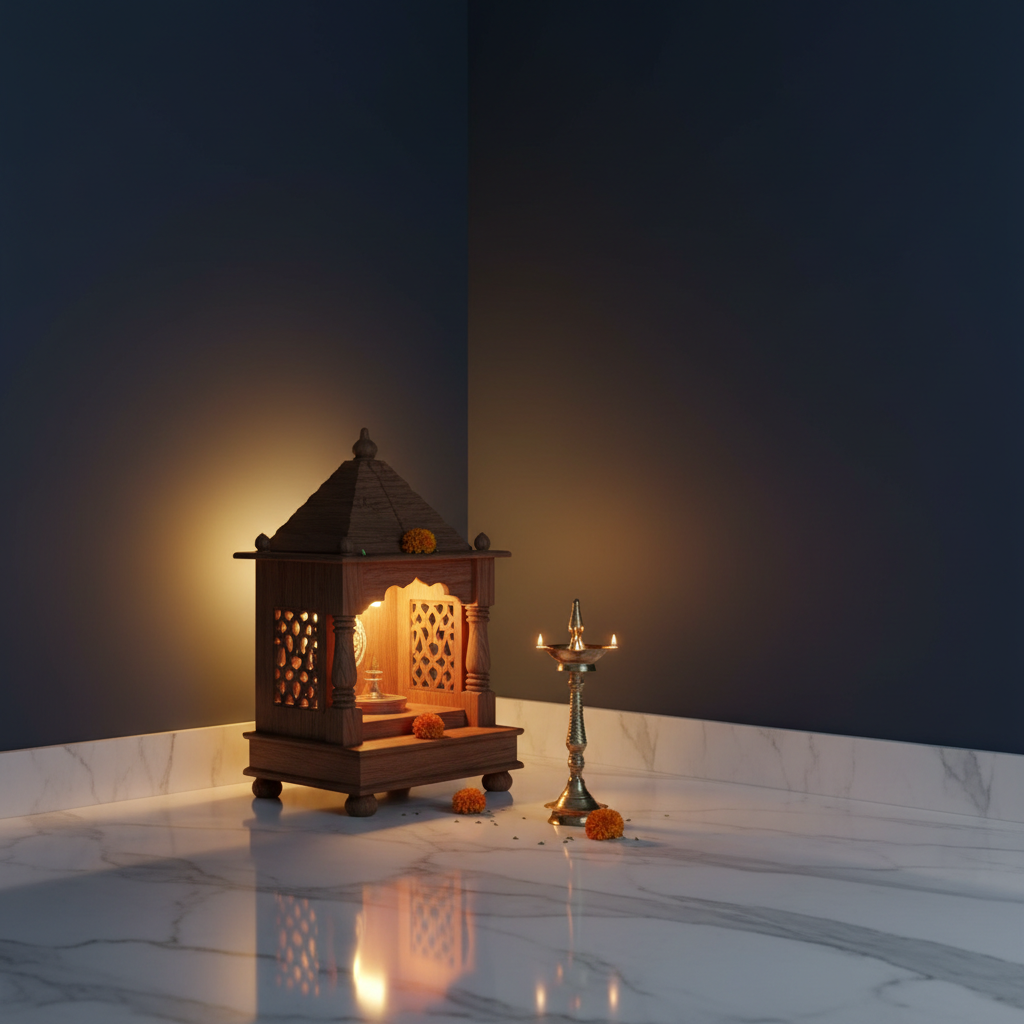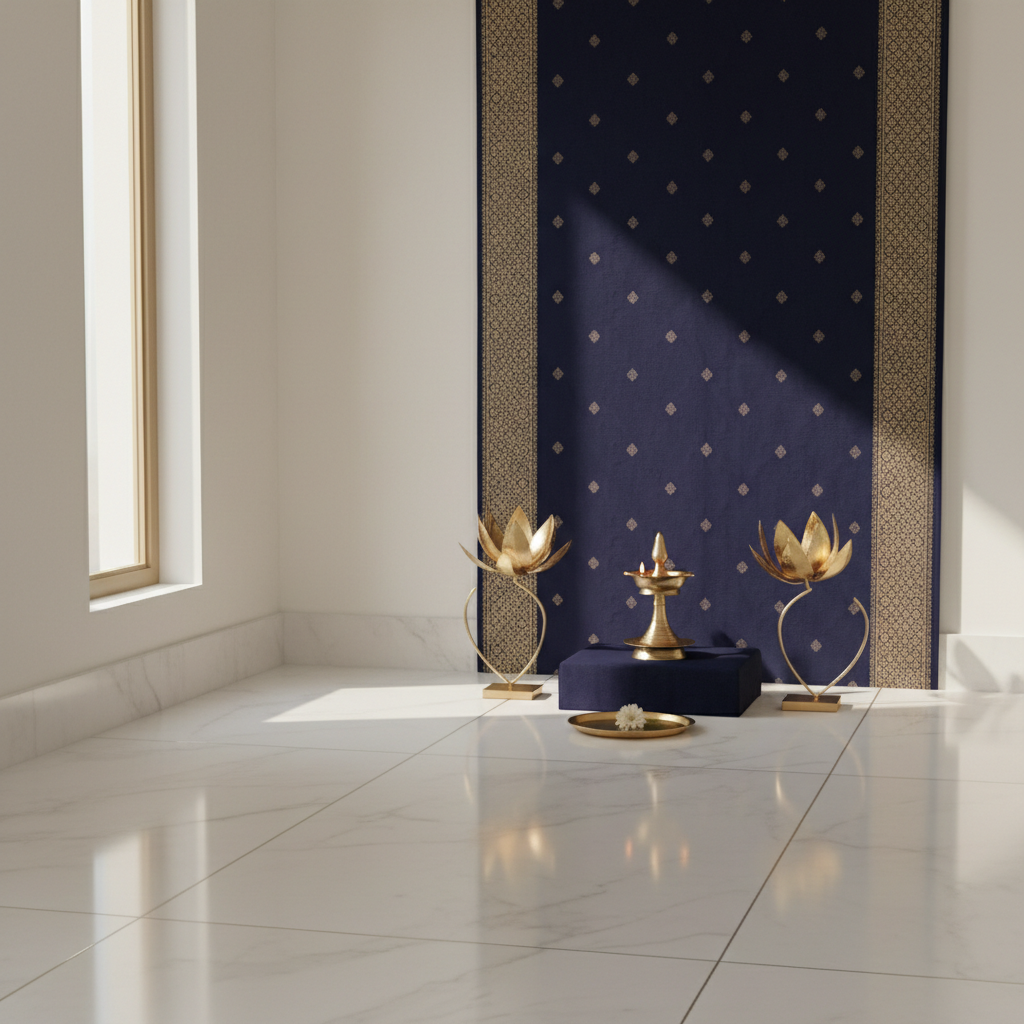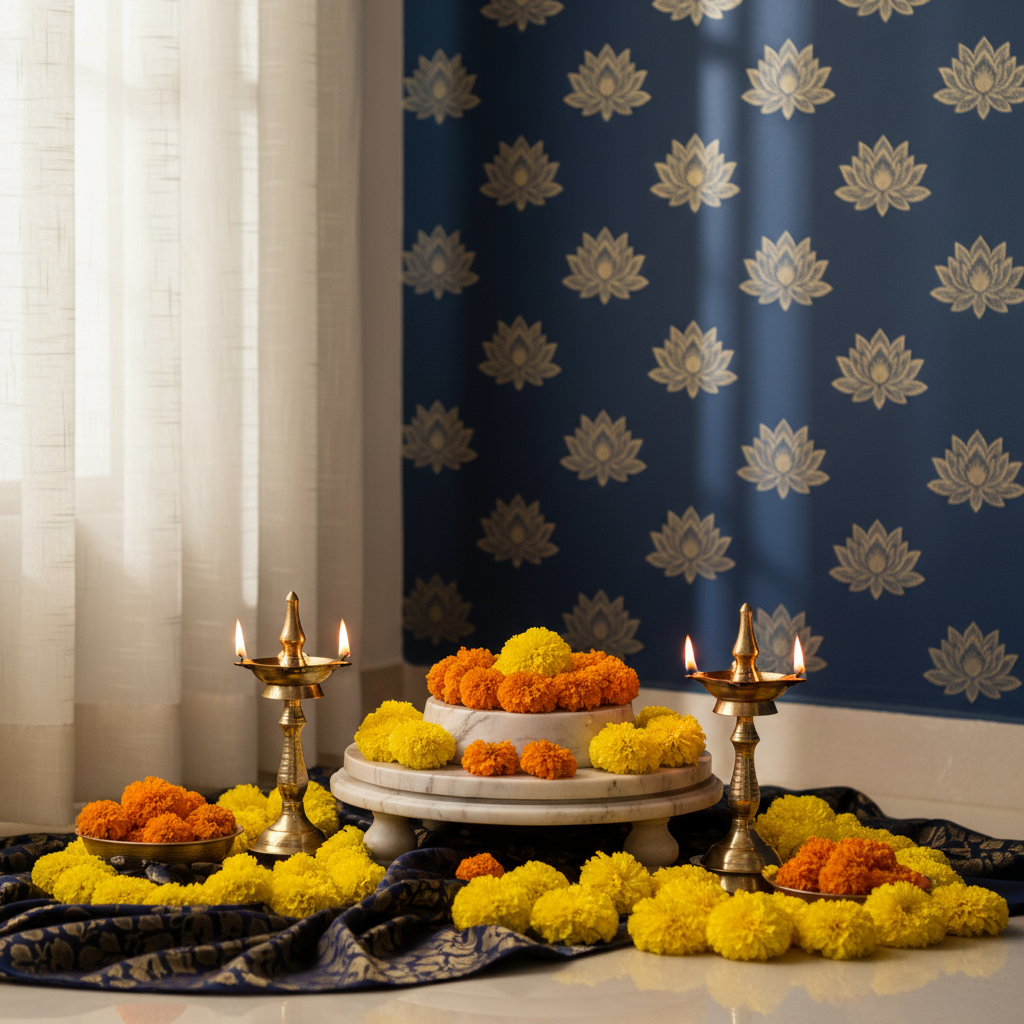
The prayer space is the spiritual heart of a home, acting as a portal for cosmic energy to enter the living environment. Implementing proper pooja room vastu is not merely about tradition; it is about aligning your home's frequency with the North-East direction, known as the zone of 'Eesanya' or the space of God. When this area is balanced, it brings mental clarity, peace, and prosperity to the inhabitants.
Quick Answer: Pooja Room Direction and Facing as per Vastu
- Best location: North-East corner of the home; East or North are good alternatives.
- Idol direction: idols should face West or East, so the person praying faces East or West.
- Your facing direction while praying: East is best, North is also good; avoid facing South.
- Avoid: South, South-West, under stairs, or sharing a wall with a toilet.
Ideal Direction and Placement for the Pooja Room
According to ancient Vastu texts, the North-East (Ishanya) corner is the most auspicious location for a pooja room. This direction is governed by Lord Shiva and is where the Earth's magnetic energy and solar radiation converge most harmoniously. If North-East is unavailable, the East or North directions are suitable alternatives.
- North-East: The highest spiritual vibration, ideal for meditation and prayer.
- East: Governed by Indra and the Sun, promoting growth and enlightenment.
- North: The direction of Kuber, helping in attracting wealth through spiritual alignment.
- Avoid: Never place a pooja room in the South or South-West, as these zones are associated with heavy energies and ancestors.
Historical Context: The Temple Layout Tradition
The principles of pooja room vastu mirror the 'Vastu Purusha Mandala' used in grand Indian temple architecture, such as the Brihadisvara Temple. In these sacred structures, the 'Garbhagriha' (sanctum sanctorum) is positioned to capture the first rays of the morning sun. Similarly, in a residential home, placing the deities so they face East or West ensures that the person praying faces the auspicious directions of rising energy or stability.
Essential Rules for Idol Placement
The way you arrange deities and sacred objects significantly impacts the flow of 'Prana' or life force. Avoid placing idols directly against the wall; keep a gap of at least one inch to allow air and energy to circulate behind them. Ensure that idols are not facing each other and are kept at a height where the base is at the chest level of the devotee.
- Ensure idols are not chipped or broken, as this attracts negative vibrations.
- Keep the lamps (diya) in the South-East corner of the pooja room, as this is the Agni (fire) zone.
- Avoid placing photos of deceased ancestors inside the pooja room; they should be placed in the South or South-West zones of the house.
Common Pooja Room Vastu Mistakes to Avoid
Many modern apartments struggle with space, leading to Vastu errors that can block positive energy. A common mistake is building a pooja space under a staircase or sharing a wall with a bathroom. These placements create 'Sha Chi' or stagnant energy that can lead to mental stress or financial hurdles.
If your prayer area is currently in a bedroom due to space constraints, ensure you use a heavy curtain to screen off the altar when not in use. Additionally, avoid using the pooja room for general storage; clutter in this sacred zone muddies the mind and prevents the manifestation of your prayers.
Creating a balanced sacred space is the first step toward a harmonious life. To ensure your prayer area is perfectly aligned with cosmic forces, use the Vastu Scanner AI app to get an instant, precision analysis of your pooja room placement and remedies.